
Currently Empty: $0.00

2026-03-11
0 Comments
In today’s fast-paced world, the demand for immediate health services is on the rise. As an innovative solution, pharmacy vending machines are quietly changing how people access over-the-counter (OTC) medications and health products globally. They not only solve the time constraints of traditional pharmacies but also enhance the accessibility and intelligence of healthcare services through technological empowerment.
24/7 Service: Breaking Down Time Barriers
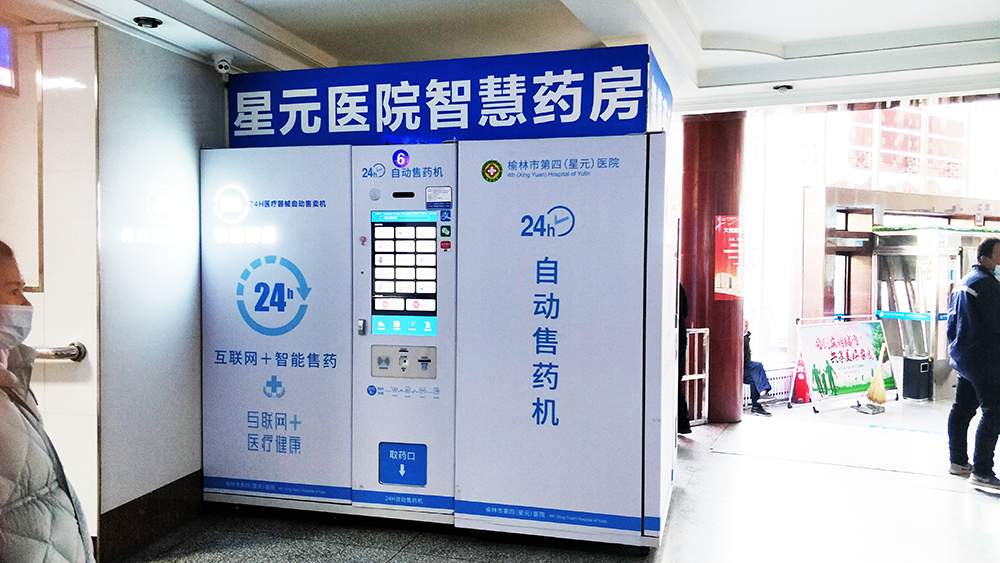
The most significant advantage of a pharmacy vending machine is its 24/7 operational capability. Whether it’s a sudden headache late at night, an urgent need for a band-aid, or requiring common medicines during holidays, it’s always ready to serve. This immediacy is particularly crucial in locations like airports, train stations, university campuses, and gyms operating late at night. It fills the service gap left by closed traditional pharmacies, acting as a “health guardian” in emergencies.
Intelligent Core: Ensuring Safety and Accuracy
Modern pharmacy vending machines are far from simple coin-operated shelves; they are terminals integrating various high-precision sensing technologies and intelligent control systems.
- Smart Inventory Management: By monitoring inventory and drug expiration dates in real-time, the system can automatically issue alerts when medications are nearing expiry or stock is low, ensuring users purchase products that are within their validity period.
- Advanced Identification Technology: Some high-end models have incorporated OCR prescription scanning and voice recognition. For instance, intelligent prescription vending machines can scan a doctor’s paper prescription, quickly transcribe it, and dispense the correct medication. The entire process takes just seconds, with an accuracy rate of up to 99%.
- Environmental Monitoring: For medications requiring specific storage conditions (such as certain eye drops or insulin that needs refrigeration), the machines are equipped with precise temperature control systems to ensure drugs are always stored in an environment that meets standards.
Diverse Payment and Interactive Experience
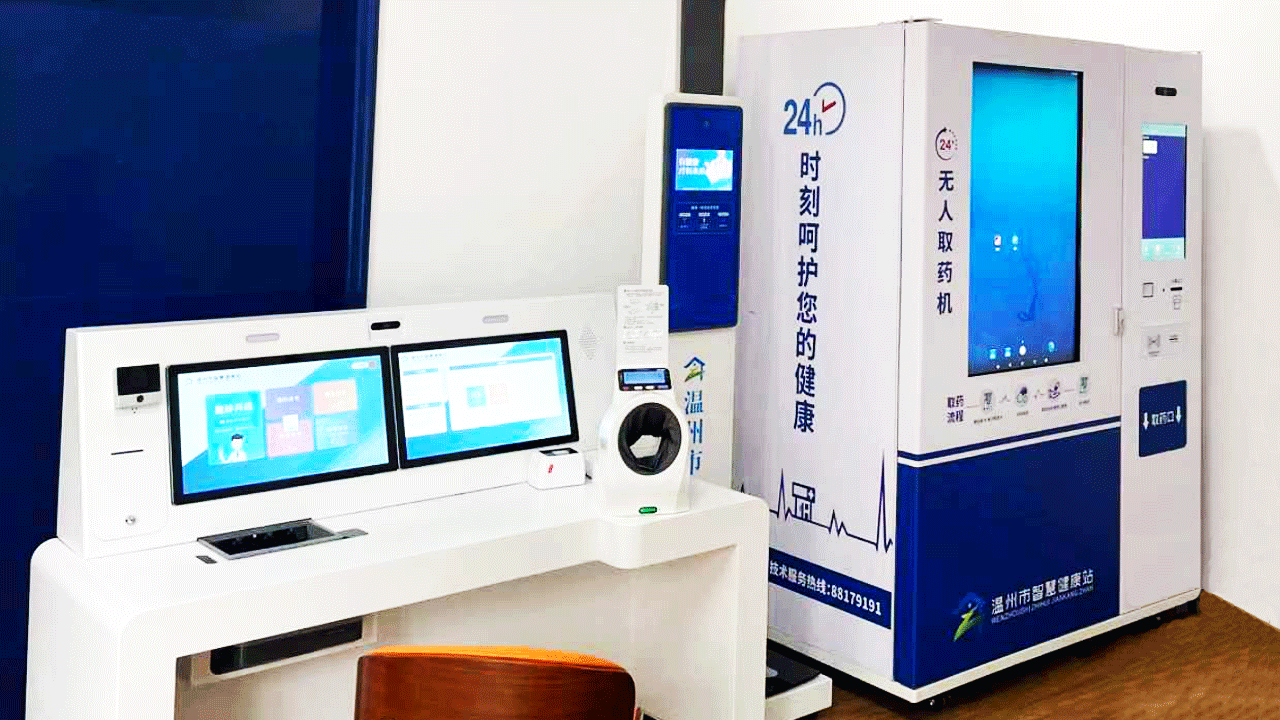
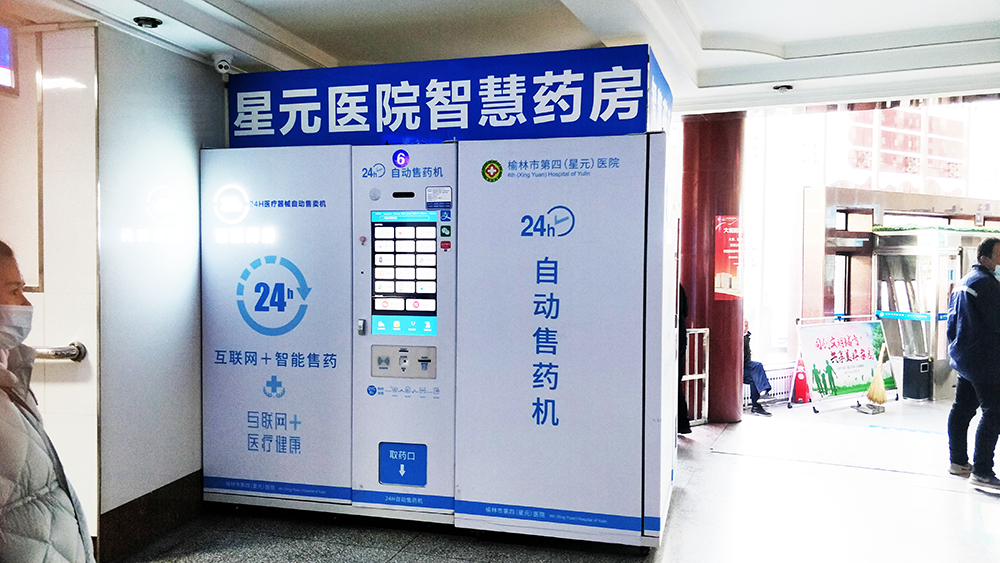
To cater to the habits of different user groups, pharmacy vending machines support a variety of payment methods, including traditional cash and coins, as well as modern credit cards, mobile payments (Apple Pay, Google Pay), and NFC contactless payments. The user interface typically features an intuitive large touchscreen, displaying not only high-definition images of the medicines but also providing detailed ingredient information, usage instructions, and precautions. This helps users make informed choices even without direct pharmacist guidance. Some machines also support multiple languages for the convenience of international travelers.
Freeing Up Pharmacist Resources, Enhancing Professional Value
From an industry perspective, pharmacy vending machines are not meant to replace pharmacists but to liberate them from repetitive tasks like medication checking and sorting. By automating the handling of routine OTC sales and parts of prescription dispensing, pharmacists can dedicate more time to providing valuable clinical services, such as professional medication consultations and chronic disease management. This ultimately improves the overall service quality of the pharmacy.
Broad Application Scenarios and Future Outlook
Currently, pharmacy vending machines are widely used in community clinics, corporate offices, school infirmaries, and remote areas. For patients with chronic diseases, they could potentially become self-service terminals for regular medication refills in the future, eliminating the hassle of waiting in line. With the deep integration of the Internet of Things (IoT) and telemedicine, pharmacy vending machines will no longer be just a sales terminal, but an intelligent node connecting patients, pharmacists, and healthcare institutions.
In summary, with their convenience, intelligence, and safety, pharmacy vending machines are becoming an indispensable part of the modern healthcare system. They not only meet consumers’ immediate and convenient health needs but also propel the pharmaceutical retail industry towards greater efficiency and a more human-centric approach.