
Currently Empty: $0.00

2026-01-07
0 Comments
Beyond traditional pharmacy operating hours, the public’s urgent medication needs have long been unmet. According to statistics, approximately 30% of adults in the United States have experienced a situation where they needed over-the-counter medication after pharmacies had closed (Source: Harris Poll, 2021). At the same time, rising labor costs and the pressure of nighttime operations make it difficult for most independent pharmacies to provide 24-hour service. As an innovative B2B solution, smart pharmacy vending machines are helping pharmacies, hospitals, university campuses, and community properties fill this market gap and create new revenue growth opportunities.
The Nighttime Health Economy Revealed by Data
Conventional pharmacy operating hours typically do not cover nights, early mornings, or holidays. According to data from the U.S. CDC, nearly 45% of emergency department visits involve non-urgent conditions, many of which could be alleviated by timely access to over-the-counter medications (Source: CDC, Non-Urgent Emergency Department Use Report). This means that when hospital emergency rooms or pharmacies are closed, a reliable and compliant automated medication access point holds significant social and commercial value. For B2B clients (such as pharmacy chains and hospital administrators), deploying smart medication cabinets is not only an extension of services but also a light-asset model that enhances brand credibility, increases customer traffic, and generates incremental revenue.
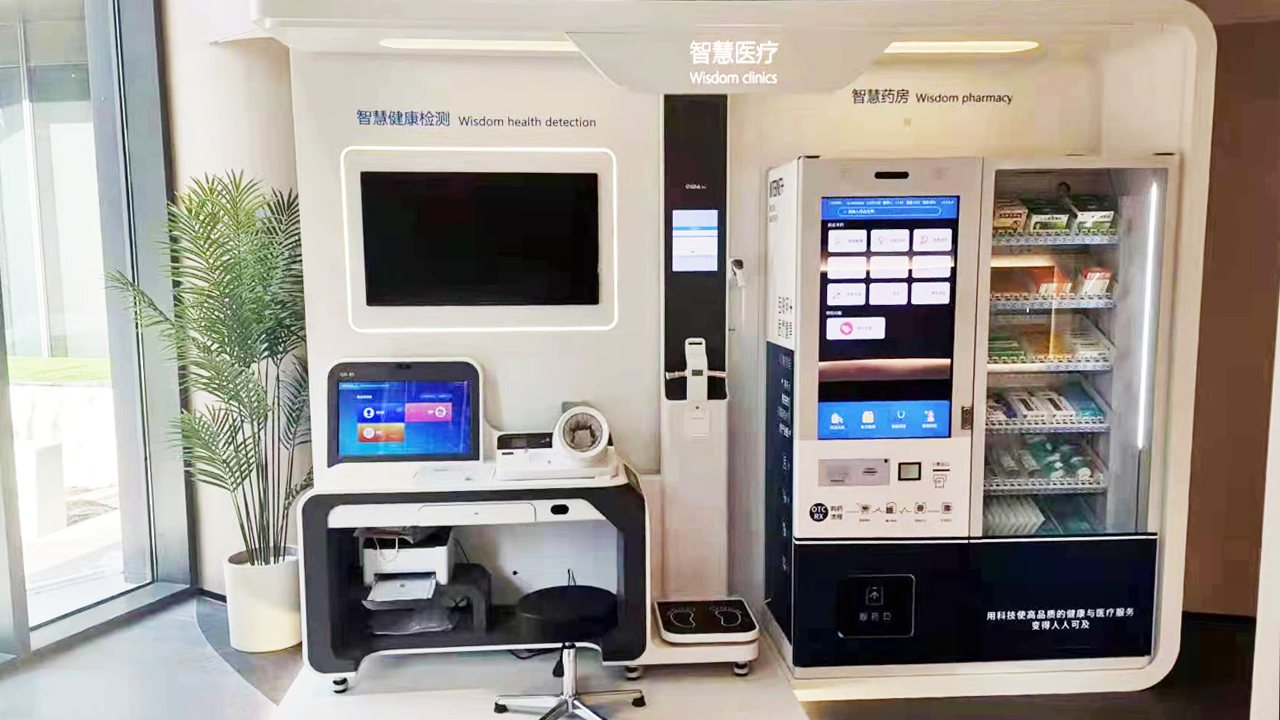
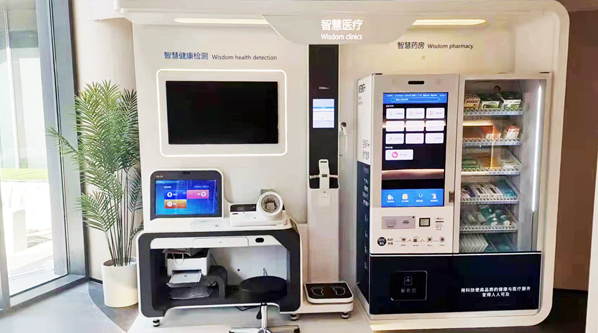
Walgreens’ “24-Hour Pharmacy Pickup Kiosks”
The global pharmacy chain giant Walgreens has piloted and deployed “24-Hour Pharmacy Pickup” smart kiosks (branded as “Walgreens Express”) in multiple states across the United States. These devices are typically installed on the exterior walls of pharmacies or in parking lots, allowing customers to pick up pre-ordered prescription medications by entering a pickup code or verifying their identity. Although primarily targeting pre-ordered prescriptions, this model demonstrates the effectiveness of automated devices in extending service hours, diverting in-store customer traffic, and reducing nighttime labor costs. Walgreens reported that at some pilot stores, over 15% of nighttime prescription pickup orders were completed through these terminals (Source: Walgreens press releases and Drug Store News industry reports).
Japan’s “Dispensing Pharmacy” Unmanned Emergency Pharmacy Network
In Japan, an aging society and a shortage of nighttime pharmacies have spurred the development of “unmanned emergency pharmacies.” Companies collaborate with pharmacy chains to deploy smart medication cabinets in train stations and community centers, offering commonly used over-the-counter medications, simple prescription medications (requiring online pharmacist review), and hygiene products. A survey by the Japan Pharmaceutical Retail Association revealed that in areas where such devices were introduced, resident satisfaction with pharmacy services increased by 22%, while the overall sales of partner pharmacies (including online referrals) saw a growth of approximately 5–10% (Source: Japan Pharmaceutical Economic News, 2022 review).

Designed for B2B Partners
- Expand Services and Revenue: Devices can sell high-demand over-the-counter medications (such as pain relievers, allergy medications, gastrointestinal drugs), contraceptive products, first-aid supplies, etc., 24/7, creating pure incremental revenue.
- Reduce Operational Costs: No need for additional pharmacists or staff during nighttime hours. After the initial investment, the primary costs are restocking and maintenance.
- Compliance and Security Technology: Advanced models integrate identity verification (e.g., ID scanning), remote pharmacist video consultation, electronic prescription connectivity, and temperature and humidity monitoring to ensure compliance with pharmaceutical regulations. For example, some devices use CipherHealth or similar technologies to support remote verification (a verifiable medical compliance technology provider).
- Data and Traffic Integration: Sales data is synchronized in real-time with the partner’s backend, helping analyze demand patterns and guiding users to the brand’s online platforms or offline stores for repeat purchases or in-depth consultations.
Return on Investment and Future Outlook
The initial investment depends on the scale and functionality of the device. Industry cases show that in high-traffic locations such as outside hospital emergency rooms, university campuses, or large apartment communities, devices typically recoup the main costs through medication sales within 12–18 months (Source: Based on Global Market Insights’ ROI analysis of the automated medical vending market). In the future, with the development of the Internet of Things and artificial intelligence, these devices may integrate more advanced screening tools, becoming outposts for community health.
Conclusion: For pharmacy chains, hospital administrators, property developers, and health service institutions, 24/7 smart pharmacy vending machines are a proven and scalable solution. They effectively address emergency needs, improve healthcare accessibility, and transform service hours into genuine profit opportunities in an economically efficient manner.
(Note: The survey data, corporate cases, and industry reports mentioned in this article are based on publicly searchable English and Chinese industry information, provided for reference to B2B decision-makers. When implementing, please be sure to consult local pharmaceutical regulatory laws.)