
Currently Empty: $0.00

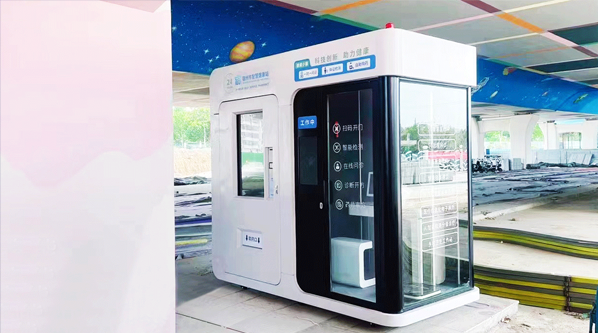
2026-01-12
0 Comments
Introduction
Healthcare organizations are exploring ways to make routine health screening more accessible while managing staff time and service resources. An AI health check station can bring selected measurement functions into a centralized self-service platform, helping users obtain basic health information in suitable non-emergency settings.
For hospitals, community health providers, senior care facilities, and healthcare project integrators, the value of a health screening station depends on its actual measurement capabilities, usability, data management, and compatibility with existing workflows.
What Does an AI Health Check Station Do?
An AI health check station combines selected health measurement modules with a guided user interface and, in some configurations, software for reporting or data analysis.
Depending on the model, the station may support:
- Blood pressure and heart rate measurement
- Blood oxygen saturation measurement
- Height, weight, and BMI calculation
- Body temperature measurement
- Body composition analysis
- ECG recording or other compatible modules
The availability of each function must be confirmed for the selected model. Some measurements may require specific accessories, consumables, operating procedures, or regulatory approvals.
AI-related functions also vary. A supplier should clearly explain whether the software provides data organization, trend visualization, screening support, or another specific capability. AI-generated information should not be treated as a medical diagnosis unless the relevant device and service are specifically authorized for that purpose.
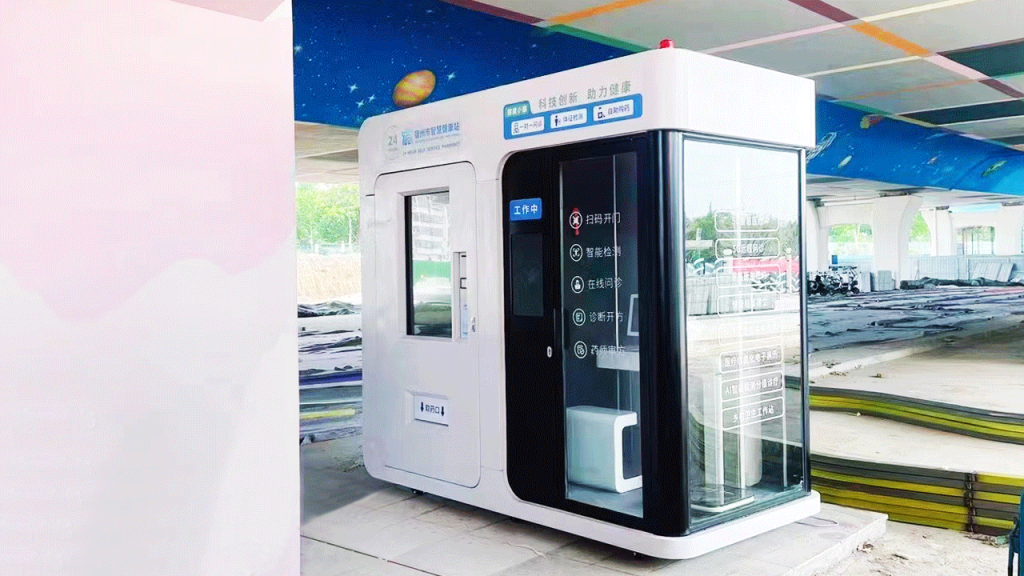
Applications in Healthcare Settings
Hospitals and Outpatient Facilities
Health check stations may support selected routine measurements before an appointment or as part of an organized screening program. Their role should be defined in the facility’s workflow so that users understand when they need assistance from healthcare professionals.
Community Health Services
Community operators can use self-service screening equipment to make basic measurements more accessible. Deployment plans should include user education, equipment maintenance, privacy arrangements, and a clear process for handling abnormal results.
Senior Care Facilities
Older adults may benefit from convenient access to selected measurements. The interface should be easy to understand, the equipment should be accessible, and staff should be available when users need help.
Pharmacies and Health Service Points
A health check station can complement pharmacy or community health services by providing selected screening functions. Any connection between screening results, professional advice, and medication access must follow the local regulatory framework and the capabilities of the service provider.
From Measurements to Health Data Management
A screening station can provide more than a single measurement when its software supports records and reporting.
Guided Measurement
The interface explains the steps users should follow. Clear instructions can help improve the consistency of the measurement process.
Report Generation
Depending on the configuration, results may be displayed on screen or compiled into a report. The report should clearly identify the measurements taken and avoid overstating what those results mean.
Data Management
Where supported, authorized users may access stored records or review screening activity through a management platform. Before implementation, organizations should establish data access permissions, consent procedures, retention policies, and security controls.
Integration with Healthcare Services
Some projects require integration with electronic health records, telehealth services, or other healthcare systems. Buyers should confirm interface availability, integration costs, and whether a qualified healthcare partner is required.
How to Select an AI Health Check Station
Healthcare buyers should evaluate five areas.
- Measurement capabilities: Verify each required function and its documentation.
- Intended use and compliance: Check applicable medical device requirements in the target market.
- Usability: Assess instructions, language options, accessibility, and cleaning.
- Data security: Define consent, storage, permissions, and system integration requirements.
- Technical support: Confirm installation, training, maintenance, calibration, warranty, and spare parts.
A pilot deployment can help an organization evaluate the equipment in its intended environment before expanding to multiple locations.
IMT Multiple Functional Health Check Station
IMT provides integrated health check station configurations for organizations seeking to consolidate selected health measurements into one platform.
Visit the IMT Multiple Functional Health Check Station product page to review the available solution. For a broader explanation of product functions and purchasing considerations, read the complete health check station guide.
When requesting a quotation, specify the target users, required measurements, software needs, deployment environment, and quantity.
Frequently Asked Questions
Does an AI health check station diagnose diseases?
Not automatically. A health check station may support measurements and screening, but diagnosis requires appropriate clinical assessment and must comply with the device’s authorized intended use and local regulations.
Can a station store health records?
Some configurations support health record creation or data upload. Buyers should confirm the exact functions, access permissions, data retention, and security arrangements.
Can it be used in community health projects?
Potentially, provided that the selected configuration, installation environment, operating procedures, and local requirements are appropriate.
What should healthcare providers ask a manufacturer?
Ask for a model-specific specification sheet, available modules, relevant certifications, software documentation, integration options, maintenance requirements, and warranty terms.
Conclusion
AI health check stations can support modern healthcare workflows by making selected measurements easier to access and organize. Their value depends on appropriate equipment selection, responsible data handling, clear operational procedures, and professional follow-up where needed.
Explore the IMT Multiple Functional Health Check Station to discuss equipment requirements for your healthcare or community screening project.