
Currently Empty: $0.00

2025-12-15
0 Comments
Introduction
Launching an OTC medicine vending machine project involves several steps, from assessing local requirements to selecting equipment, preparing inventory, and establishing an operating process.
For pharmacies, vending operators, healthcare providers, and facility managers, careful planning can help avoid equipment mismatches, unnecessary operating expenses, and delays during deployment.
This guide provides a practical framework for planning an OTC medicine vending machine project from initial assessment to ongoing operation.
Step 1: Define the Project Objective
Start by identifying why the machine is needed and who will use it.
Possible objectives include providing access to approved non-prescription products outside regular retail hours, supporting an existing pharmacy, or serving a specific workplace or community.
Define the target users, intended location, operating hours, expected product categories, and the responsibilities of the machine operator.
Step 2: Verify Local Requirements
Before purchasing equipment, confirm whether the proposed product categories and dispensing arrangements are permitted in the target market.
Check the requirements that may apply to operator authorization, product eligibility, labeling, storage, age verification, consumer information, and recordkeeping.
Where professional supervision or additional authorization is required, establish the necessary operating arrangements before launch.
Review the OTC medicine vending machine compliance guide for a more detailed checklist.
Step 3: Evaluate the Installation Location
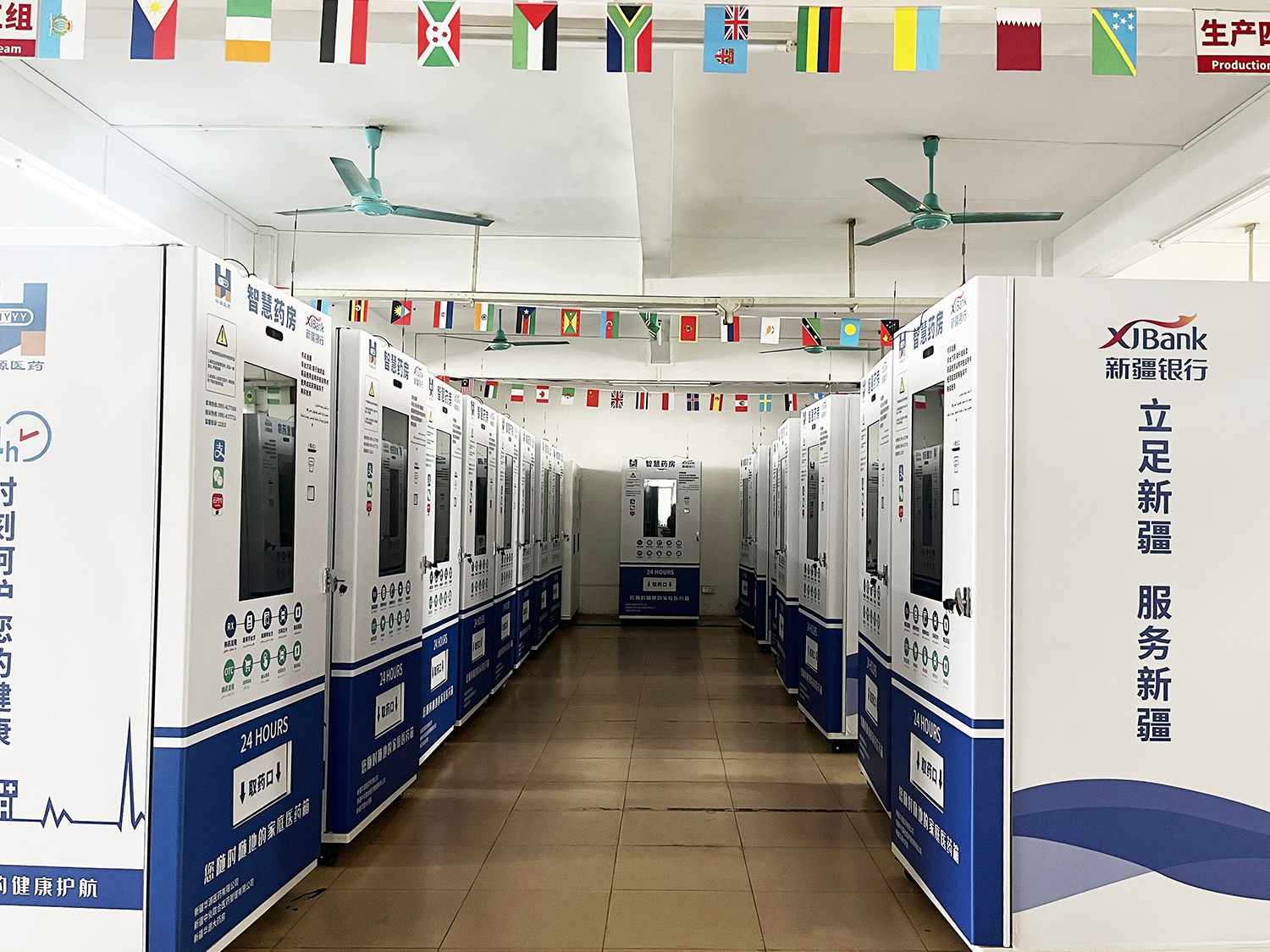
A suitable location should provide access for the intended customers while allowing secure installation, maintenance, and replenishment.
Assess the expected customer profile, nearby alternatives, site permissions, operating hours, power supply, network availability, and environmental conditions.
High foot traffic can improve visibility, but it does not guarantee sales. The product range and customer needs must match the location.
Step 4: Finalize the Product Assortment
Prepare a list of intended products and record their package dimensions, storage requirements, shelf life, and expected demand.
Confirm that each product is permitted for the proposed vending model. Do not assume that products available in a conventional pharmacy can automatically be sold through a vending machine.
A focused initial assortment may be easier to manage while the operator evaluates demand.
For more guidance, read the guide to products sold in pharmacy vending machines.
Step 5: Select the Equipment Configuration
The machine should match the product assortment, site conditions, and operating requirements.
Evaluate:
- Product capacity and slot dimensions
- Dispensing mechanism and package compatibility
- Required storage conditions
- Payment methods and interface language
- Security and access controls
- Remote inventory and device monitoring, where supported
- Maintenance access and technical support
Ask the supplier to confirm the actual functions included in the selected model and identify any optional modules or integration costs.
Review the IMT pharmacy vending machine product range to explore available equipment options.

Step 6: Prepare the Operating Process
Before the machine opens to customers, document the procedures for:
- Receiving and checking inventory
- Loading products and recording expiration dates
- Stock rotation and replenishment
- Cleaning and routine maintenance
- Handling failed dispensing and refunds
- Removing expired, recalled, or damaged products
- Responding to customer complaints
- Escalating technical or compliance issues
Assign a responsible person or team to each task.
Step 7: Test Before Launch
Complete a pre-launch review of the equipment, payment process, dispensing functions, user instructions, and inventory records.
Test representative products and confirm that the machine handles them as expected. Check the monitoring and alert functions included in the selected configuration.
Where practical, begin with a limited deployment to evaluate the operating process before expanding to additional locations.
Step 8: Monitor Performance After Launch
Once the machine is operational, monitor sales, stock availability, expiration dates, equipment faults, replenishment frequency, and operating expenses.
Review the product assortment regularly and adjust it based on observed demand and applicable requirements.
For financial planning, calculate actual gross profit and operating expenses rather than relying only on revenue or generic industry averages.
The OTC medication vending machine business guide explains how to structure a cost and return calculation.
Step 9: Plan for Maintenance and Expansion
Before adding more machines, assess whether the existing operating process can support additional sites.
Review technical support, spare parts, replenishment routes, inventory control, data access, and the responsibilities of each location operator.
For multi-site projects, consistent operating procedures can help standardize maintenance and inventory management.
Frequently Asked Questions
How long does it take to implement an OTC medicine vending machine project?
The timeline depends on equipment availability, customization, shipping, site preparation, software integration, and any required approvals. Request a project-specific schedule from the supplier.
What should be completed before installation?
Confirm local requirements, site permissions, product compatibility, equipment specifications, payment arrangements, and the operating process.
Should I start with one machine or several?
A pilot can help validate demand, dispensing performance, replenishment requirements, and operating costs before a larger rollout.
What information should I provide when requesting a quotation?
Provide the target country, installation location, intended product categories, package dimensions, desired capacity, payment needs, software requirements, and estimated quantity.
Conclusion
A successful OTC medicine vending machine project requires coordinated planning across compliance, location selection, equipment configuration, product management, and ongoing operations.
By validating these requirements before launch and reviewing actual operating data afterward, businesses can make more informed decisions about deployment and expansion.
Explore the IMT pharmacy vending machine product range to discuss equipment options for your project.