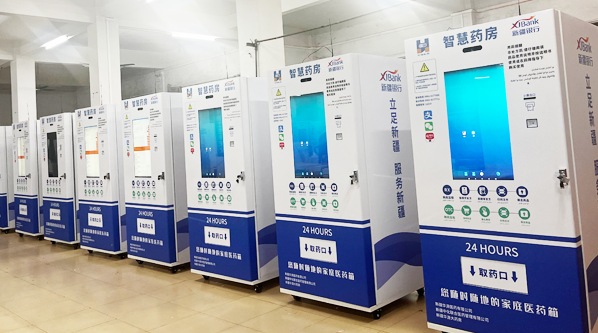
In the wave of digital transformation in healthcare, smart pharmacy vending machines are becoming key infrastructure for hospitals, chain pharmacies, and community medical centers to enhance service efficiency. This guide will provide an in-depth analysis of the technical architecture of IMT intelligent pharmaceutical vending machines, from the Internet of Things (IoT) to remote management, and demonstrate their commercial value through real data and case studies.
I. Core Technical Architecture: How IoT Reshapes the Pharmaceutical Supply Chain
1. Real-Time Inventory Monitoring System
Through IoT sensors, the medicine cabinet can monitor inventory, temperature, humidity, and drug expiration dates in real time. This can improve inventory counting efficiency by 90% and reduce drug loss rates by 45%.
2. Intelligent Alerts and Automatic Restocking
When inventory falls below the threshold, the system automatically sends restocking requests to suppliers. This can help operators reduce stockouts by 72%, with restocking response times shortened to within 2 hours.
II. Remote Management Platform: Centralized Control of Multi-Terminal Operations
1. Cloud Control Center
Administrators can monitor the status of devices distributed nationwide through a single dashboard. A Chinese pharmaceutical group’s deployment of a medicine cabinet system across 2,000 pharmacies nationwide improved remote troubleshooting efficiency by 80% and reduced operational and maintenance costs by 35%.
2. Prescription Circulation and Electronic Regulatory Code Integration
The platform connects with medical insurance systems and electronic prescription platforms to enable “one-click medication pickup.” Smart medicine cabinets deployed in a Shanghai hospital, directly linked to the Shanghai medical insurance platform, reduced patients’ average medication pickup time from 15 minutes to 1.5 minutes.
III. Real Case Studies: Business Transformation Driven by Technology Implementation
1. Hospital Scenario: Intelligent Emergency Pharmacy
After deploying IMT medicine cabinets, a hospital in Thailand improved the dispensing efficiency of non-controlled medications by 300% and saved 25% in pharmacist labor costs.
2. Retail Pharmacy: Extended Service Hours
A Chinese chain pharmacy’s deployment of 24-hour smart medicine cabinets generated 18% of single-point total revenue during non-business hours, expanding customer coverage to within a 3-kilometer radius.
3. Corporate Campus: Enhanced Employee Health Services
A remote-managed medicine cabinet equipped with health monitoring devices at a U.S. corporate campus improved employee medication adherence for chronic diseases by 42%, with related medical insurance expenditures decreasing by 19% year-on-year.
IV. Data Security and Compliance Assurance
1. End-to-End Encryption Transmission
Adopts medical-grade protocols to ensure data security, complying with HIPAA and GDPR requirements.
2. Blockchain Traceability System
Reduces the circulation time of each box of medicine in smart cabinets by 50% and achieves a 100% counterfeit drug interception rate.
V. Intelligent Medicine Vending Machine ROI Data Analysis
| Metric | Traditional Pharmacy | IoT Smart Medicine Cabinet | Improvement |
|---|---|---|---|
| Annual Single-Point Operational Cost | $85,000 | $41,000 | -52% |
| Prescription Processing Efficiency (sheets/hour) | 22 | 68 | +209% |
| Patient Satisfaction Score | 76/100 | 94/100 | +24% |
(Data Source: U.S. Pharmacy Automation Association 2023 Annual Benchmark Report)
VI. Future Technology Trends
1. AI Operations Management
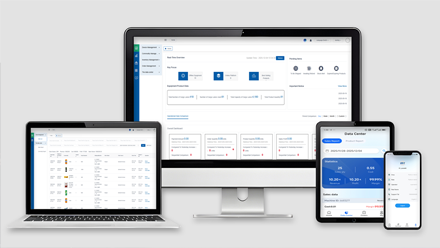
IMT intelligent pharmaceutical vending machines are equipped with the intelligent AI backend management system “VendingOS.” Through this AI system, operators can remotely manage all their smart pharmaceutical vending machines using various smart devices such as phones, computers, and tablets. This enables rapid product restocking, real-time data monitoring, and personnel and fund management, significantly reducing operational time investment.
2. 5G Edge Computing
By leveraging 5G for low-latency remote management in remote areas, IMT intelligent pharmaceutical vending machines support both 5G and Wi-Fi, reducing medication sales and management issues caused by network problems and improving medication accessibility by 60%.
Conclusion
From IoT sensing to cloud-based intelligent management, IMT intelligent pharmaceutical vending machines have evolved into an integrated solution combining supply chain optimization, patient services, and data insights. For operators, investing in this technology not only means improved efficiency but is also a critical step in building differentiated healthcare service capabilities. As the uneven distribution of global medical resources becomes increasingly prominent, institutions mastering smart pharmacy technology will occupy the industry’s commanding heights in the next decade.