
Currently Empty: $0.00

2026-01-12
0 Comments
In the wave of digital transformation in the pharmaceutical retail industry, automated medicine vending machines are becoming a key tool for expanding service networks and enhancing consumer convenience. Industry analysis indicates that a scientific site selection strategy can increase equipment utilization by over 60%, with monthly average sales per point growing by up to 300%. This guide will integrate cutting-edge data and practical case studies to provide B2B operators with a systematic methodology for site selection.
I. Core Dimensions of Precise Site Selection
- In-Depth Exploration of High-Demand Scenarios
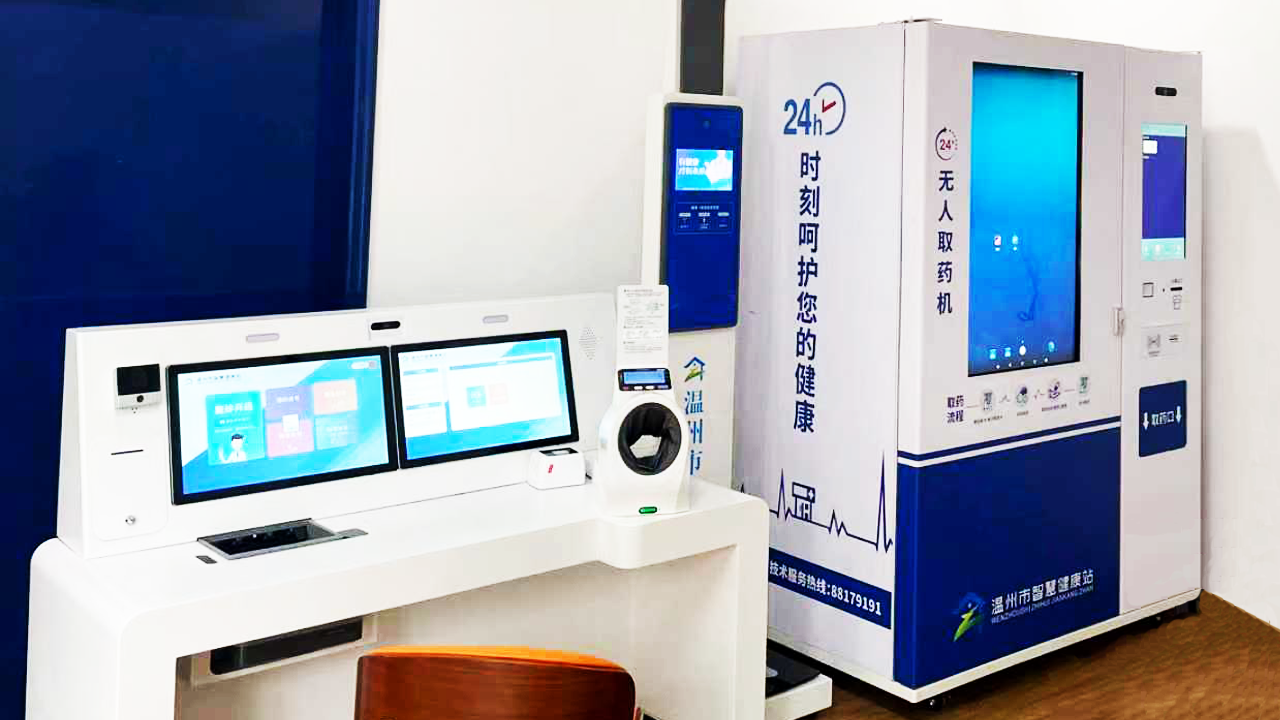
Areas within 300 meters of hospitals and clinics have been proven to be prime locations. For example, the IMT smart medicine cabinet deployed in the emergency department of a top-tier hospital integrates an electronic prescription system to provide 24-hour medicine supply, with nighttime sales accounting for 45% of daily revenue. Data shows that the turnover rate of commonly used medicines at such locations is 2.3 times faster than in ordinary areas, and customer dwell time is reduced by 68% (source: 2024 China Pharmaceutical Commerce Association Automated Medicine Terminal Operation Report). - Building Community Health Ecosystems
Aging communities exhibit regular demand patterns for chronic disease medicines. The smart medicine vending terminal introduced by a community service center in Shanghai, connected to the family doctor system, has stabilized the repurchase rate of hypertension and diabetes medicines at over 82%. Notably, IMT equipment equipped with remote medication guidance functionality achieved a user satisfaction rate of 94.7% in such scenarios, significantly higher than the industry average (data source: “Smart Community Medical Equipment Performance Evaluation,” Issue 3, 2024).
II. Data-Driven Site Selection Model
Establishing a three-dimensional evaluation system of “pedestrian density × demand coefficient × accessibility index” is crucial. Measured data from transportation hubs shows:
- Equipment in high-speed railway station waiting areas serves over 200 people daily on average.
- The purchase conversion rate of international travelers in airport post-security areas is 2.1 times that of ordinary areas.
- Medicine sales at highway service areas during holidays can reach 4.8 times those on regular days.
Heat map analysis reveals that medical demand exhibits significant tidal characteristics in spatial distribution, with demand concentration during peak morning and evening hours differing by a factor of 3.5.
III. Key Technologies for Operational Optimization
An intelligent inventory management system can reduce stagnant product losses by 32%, while temperature and humidity monitoring modules improve the preservation compliance rate of special medicines to 99.6%. In terms of compliance, equipment meeting GSP standards can increase regulatory inspection pass rates to 100%.
The integration of multiple payment channels yields significant benefits: equipment supporting medical insurance结算 increases the average transaction value by 156%, and mobile payment users have a repurchase rate 73% higher than cash payment users. Among the 10 devices deployed by a chain pharmacy in campus areas, points integrated with online consultation functionality generated an average monthly added-value service revenue of ¥12,000.
IV. Risk Management and Benefit Evaluation
Site selection decisions must comprehensively consider policy risks, particularly regional restrictions on prescription drug sales. It is recommended to establish a three-tier early warning mechanism and activate an automatic diagnostic program for abnormal sales fluctuations (exceeding ±15%). Return on investment analysis indicates that the payback period for equipment at优质 points can be shortened to 8–14 months, with points experiencing pedestrian flow exceeding 5,000 people per day averaging a payback period of only 9.2 months.
V. Future Trends and Strategic Recommendations
Driven by healthcare infrastructure policies, the penetration rate of smart medicine cabinets in primary healthcare institutions is expected to reach 35% by 2025. Operators are advised to:
- Prioritize the deployment at nodes of medical alliance networks to build regional协同 advantages.
- Develop differentiated product portfolios and optimize SKU configurations for specific scenarios.
- Establish a dynamic optimization mechanism to update site selection evaluation parameters quarterly.
Digital transformation is not merely a technological upgrade but also an innovation in business models. Through the combination of precise site selection and intelligent operations, automated medicine vending machines will become an indispensable infrastructure in the pharmaceutical retail ecosystem. Operators should seize the policy window, rapidly expand their service networks within a compliant framework, and ultimately achieve dual enhancement of social and commercial value.
(Note: The technical parameters and performance data of the IMT smart medicine cabinet mentioned in this article are based on publicly available manufacturer materials and third-party test reports. Actual operational results may vary due to regional differences.)