
Currently Empty: $0.00

2026-11-03
0 Comments
Introduction
Deploying an OTC vending machine requires more than purchasing equipment and placing it at a convenient location. Businesses must coordinate product selection, local compliance, site preparation, equipment configuration, payment systems, inventory management, maintenance, and ongoing monitoring.
For pharmacies, hospitals, vending operators, distributors, and facility managers, a structured deployment plan helps identify potential problems before the machine begins operating.
The process should start with the intended products and target market, followed by equipment selection and operational planning. Only after the relevant requirements have been verified should the project move to installation and launch.
This guide provides a practical OTC vending machine deployment checklist for international B2B projects.
1. Define the Project Scope
Start by documenting the purpose of the installation.
Confirm:
- Target country and installation location
- Intended customers
- Products planned for sale
- Expected number of product types and units
- Required operating hours
- Preferred payment methods
- Required software and monitoring functions
- Estimated number of machines
- Project budget and target launch date
These details provide a starting point for equipment selection and site planning.
A single machine serving a small workplace may require a different configuration and replenishment plan from a multi-location project involving pharmacies or healthcare facilities.
2. Verify Product Eligibility and Local Requirements
Before ordering equipment, confirm that the intended products can legally be sold through the proposed channel.
Requirements may depend on the jurisdiction, product category, operator’s authorization, installation location, and sales workflow.
The compliance review should establish:
- Which products are permitted
- Whether the operator or location requires authorization
- Whether age verification or other eligibility checks apply
- What consumer information must be displayed
- Which storage conditions must be maintained
- How expired, recalled, damaged, or returned products must be handled
- Whether the site and transaction workflow meet local requirements
For projects involving medicines, confirm the applicable rules with the relevant authorities or qualified local advisers.
Do not assume that technical compatibility or a manufacturer’s quality certificate automatically authorizes the proposed vending operation.
For a broader discussion, see the OTC Vending Machines: Features, Safety and Buying Guide.
3. Select the Installation Location
Location selection affects customer demand, replenishment, maintenance, and operating costs.
Potential locations may include approved pharmacy premises, healthcare facilities, workplaces, residential communities, or other permitted sites.
Evaluate the following factors:
Customer Demand
Identify who will use the machine and which products they are likely to need.
Access and Visibility
Check whether customers can reach the machine during the intended operating hours and whether the installation location is easy to identify.
Site Permission
Obtain the necessary approval from the property owner, facility manager, or other responsible party.
Security
Assess the risk of unauthorized access, vandalism, and interference with the equipment.
Replenishment and Maintenance
Ensure staff can access the machine for inventory replenishment, cleaning, inspection, and repairs.
Utilities and Connectivity
Confirm electrical supply, network availability, and other site requirements for the selected model.
For a larger project, consider validating one location before committing to multiple installations.
4. Prepare the Product and Inventory Plan
The inventory plan should be established before finalizing the machine configuration.
Prepare a product list that includes:
- Product name and category
- Packaging dimensions
- Required storage conditions
- Intended stock quantity
- Expiry-date information where applicable
- Special handling or sales restrictions
Use this list to assess whether the proposed dispensing channels can accommodate the intended packages.
Avoid selecting a machine solely on the basis of slot count. Actual capacity depends on the package dimensions, channel layout, and dispensing mechanism.
Also establish a replenishment schedule and a process for removing expired, recalled, or damaged products.
5. Confirm the Machine Configuration
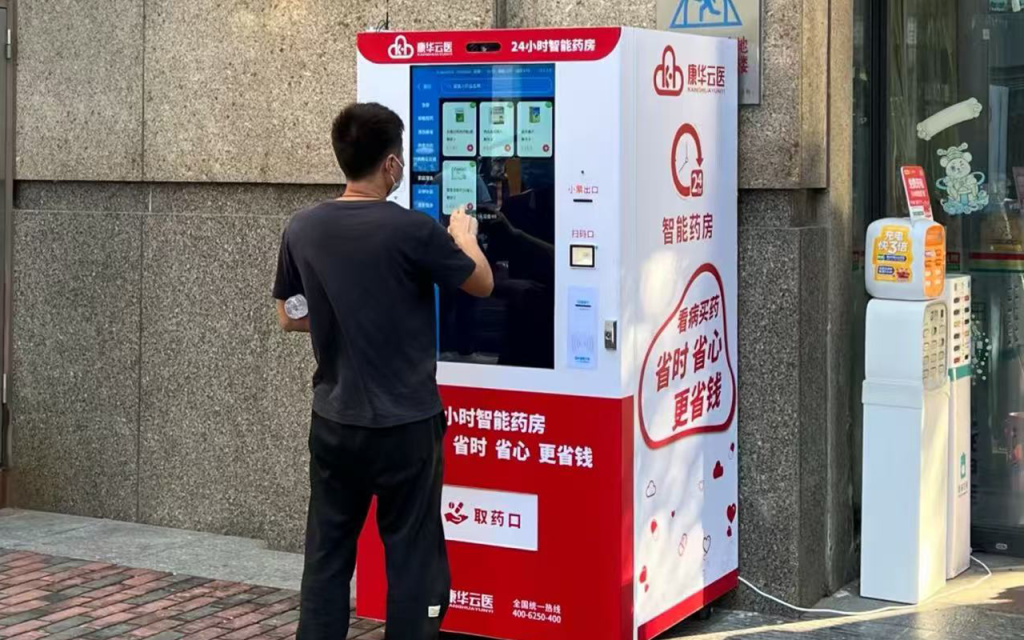
After the product and site requirements are defined, confirm the equipment specification.
Review the following functions where applicable:
- Machine dimensions and capacity
- Product dispensing mechanism
- Touchscreen and user interface
- Payment methods
- Network connectivity
- Remote inventory and sales monitoring
- Environmental monitoring or controls
- Security and access controls
- Software and integration requirements
Ask the manufacturer to distinguish between standard functions and optional features.
Where practical, request a demonstration using representative product packages. Confirm that the proposed configuration meets the intended application before approving production.
Explore the IMT Pharmacy Vending Machine range to review the available equipment category and discuss project requirements.
6. Prepare the Site for Installation
Before delivery, confirm that the installation location is ready.
The preparation checklist should include:
- Suitable floor space and access clearance
- Delivery and movement access
- Appropriate electrical supply
- Required network connectivity
- Site security arrangements
- Access for replenishment and maintenance
- Permission to install and operate the equipment
- Any required site-specific safety measures
Check the machine’s actual dimensions, weight, and electrical specifications before finalizing site preparation.
If installation services are required, clarify who is responsible for site work, equipment positioning, connection, commissioning, and final testing.
7. Configure Payment and Software
Payment and software setup should be completed before the machine is opened to customers.
Confirm the selected payment methods and any required payment-provider integration.
Test the following items where applicable:
- Product selection and pricing
- Payment authorization
- Transaction completion
- Failed-payment handling
- Failed-dispensing procedures
- Sales reporting
- Inventory updates
- Network connectivity
- User permissions
- Alerts and equipment-status monitoring
If the machine uses a remote management platform, confirm who has access to the system and how operational information is reviewed.
Document any functions that require an additional subscription or third-party service.
8. Test the Machine Before Launch
A pre-launch inspection helps identify problems before customers begin using the machine.
The checklist should cover:
Physical Inspection
Confirm the cabinet, screen, doors, locks, and dispensing components are in the expected condition.
Product Compatibility
Test representative packages in the intended dispensing channels.
Transaction Workflow
Complete test transactions using the configured payment methods and verify that products dispense correctly.
Inventory Records
Check that the inventory process works as expected and that any supported stock updates or alerts function correctly.
Environmental Controls
Where required, confirm the relevant monitoring functions and the procedures for responding to deviations.
Operating Procedures
Ensure responsible staff know how to replenish stock, inspect products, handle faults, and contact technical support.
Record unresolved issues and confirm they are addressed before the launch.
9. Establish Maintenance and Inventory Procedures
An OTC vending machine requires ongoing operational management.
Establish procedures for:
- Routine cleaning and inspection
- Product replenishment
- Expiry-date checks and stock rotation
- Removal of recalled or damaged products
- Fault reporting and maintenance
- Spare parts and technical support
- Review of sales and stock records
- Payment and connectivity monitoring
Define who is responsible for each task and how often it should be performed.
The appropriate schedule depends on the equipment, location, product range, operating volume, and applicable requirements.
10. Monitor Performance After Launch
Once the machine is operational, monitor its performance before expanding to additional locations.
Useful indicators may include:
- Number of transactions
- Sales by product category
- Stock turnover
- Replenishment frequency
- Failed transactions or dispensing issues
- Equipment downtime
- Maintenance costs
- Payment-system availability
- Customer feedback
- Total operating contribution
Use these findings to adjust the product mix, inventory quantities, replenishment schedule, and maintenance plan.
Do not assume that a high-traffic location will automatically generate a positive financial result. Evaluate sales alongside inventory costs, site expenses, payment fees, labor, and maintenance.
11. Prepare for Multi-Location Expansion
If the pilot installation performs as expected, plan the next stage carefully.
Before expanding, confirm that the machine configuration, operating procedures, software access, spare parts, and support arrangements can be replicated across the additional sites.
Each new location should undergo its own review of product eligibility, permissions, installation requirements, and customer demand.
For international deployments, account for differences in local rules, payment systems, shipping, and support arrangements.
12. Discuss Your Deployment Requirements with IMT
IMT provides automated pharmaceutical equipment for business customers evaluating pharmacy vending machine projects in different markets.
To help assess your project, prepare:
- Target country and installation location
- Intended products and packaging dimensions
- Required capacity
- Payment and connectivity requirements
- Storage and monitoring needs
- Estimated order quantity
- Branding or customization requirements
Visit the IMT Pharmacy Vending Machine product page to review the available equipment category.
For a project-specific discussion, contact the IMT team with your deployment requirements.
Frequently Asked Questions
What should be done before installing an OTC vending machine?
Define the project scope, verify product eligibility and local requirements, select a suitable location, prepare an inventory list, and confirm the equipment specification.
How do I know whether a location is suitable?
Evaluate customer demand, site permissions, security, accessibility, utilities, connectivity, replenishment access, and the applicable rules for the proposed product range.
What should be tested before launch?
Test the machine’s physical condition, product compatibility, payment workflow, dispensing, inventory records, connectivity, and any required environmental monitoring or access controls.
How should inventory be managed?
Establish a process for replenishment, expiry-date checks, stock rotation, and removing recalled or damaged products. Confirm whether the machine’s software supports the inventory functions you need.
Should I deploy several machines at once?
A pilot installation can help validate customer demand, equipment performance, replenishment, and operating costs before a larger rollout. The appropriate approach depends on the project and available resources.
What information does IMT need to evaluate a project?
Provide the target market, installation location, intended products, capacity, payment requirements, and estimated order quantity so that the relevant equipment configuration can be discussed.
Conclusion
Successful OTC vending machine deployment requires coordinated planning across product selection, local requirements, equipment configuration, site preparation, payment systems, inventory management, and maintenance.
By verifying these elements before launch and monitoring actual performance afterward, businesses can make more informed decisions about operating and expanding their projects.
Explore the IMT Pharmacy Vending Machine range or contact IMT to discuss your project requirements.