
Currently Empty: $0.00


2026-10-27
0 Comments
Introduction
When researching automated healthcare retail equipment, buyers often encounter the terms pharmacy vending machine and OTC vending machine. Although the terms can overlap, they do not always describe the same operating model or technical requirements.
An OTC vending machine generally focuses on eligible non-prescription medicines and selected healthcare products. A pharmacy vending machine may describe a broader category of automated pharmaceutical retail or dispensing equipment, depending on its design, workflow, and intended use.
For pharmacies, hospitals, distributors, and vending operators, understanding this distinction is important before selecting equipment.
This guide compares the two categories by intended use, product compatibility, operating workflow, technical requirements, and purchasing considerations.
1. What Is an OTC Vending Machine?
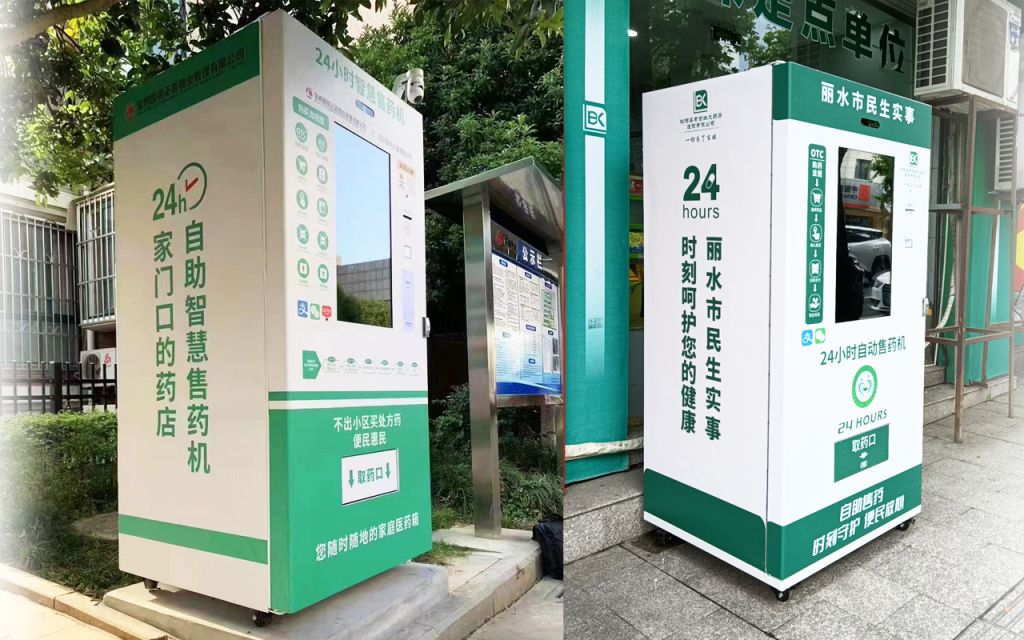
An OTC vending machine is designed to dispense eligible over-the-counter medicines and, depending on its configuration, selected first-aid and personal care products.
Its primary purpose is to support automated retail transactions for products that can legally be sold through the proposed channel.
Typical applications may include approved products for use in workplaces, residential communities, pharmacies, healthcare facilities, and other permitted locations.
Depending on the configuration, an OTC vending machine may include:
- A touchscreen product-selection interface
- Cashless or other supported payment methods
- Product-specific dispensing slots
- Inventory and sales reporting
- Remote equipment-status monitoring
- Storage monitoring where required
- Age verification or other access controls where applicable
The availability of these functions varies by model and market. Buyers should verify the actual specification before ordering.
2. What Is a Pharmacy Vending Machine?
A pharmacy vending machine is a broader term that can refer to automated equipment used to distribute medicines or support pharmaceutical retail workflows.
Depending on the system, the equipment may be designed for self-service sales, controlled medication pickup, automated dispensing, or integration with a pharmacy’s operational systems.
Some systems may support functions such as:
- Automated product selection and dispensing
- Identification or credential verification
- Prescription-related workflow integration where applicable
- Inventory tracking
- Expiry-date monitoring
- Sales or dispensing records
- Remote management and equipment-status monitoring
Not every pharmacy vending machine supports prescription dispensing, prescription pickup, or integration with a hospital information system. These functions must be confirmed for the particular model and operating workflow.
The terminology used by manufacturers may also differ. Buyers should evaluate the actual capabilities rather than assuming that a product label establishes what the machine can legally dispense.
Explore the IMT Pharmacy Vending Machine range to review the available equipment category and discuss your intended application.
3. Key Differences Between OTC and Pharmacy Vending Machines
The following table compares common considerations. Actual capabilities depend on the equipment configuration and local requirements.
| Evaluation factor | OTC vending machine | Pharmacy vending machine |
|---|---|---|
| Typical purpose | Automated retail of eligible OTC products | Automated pharmaceutical retail or dispensing workflows |
| Intended products | Eligible non-prescription medicines and selected healthcare items | Product range depends on the specific machine and operating model |
| Sales workflow | Generally product selection and retail payment | May include additional identification or workflow integration |
| Prescription-related functions | Not assumed | Possible only where specifically supported and legally authorized |
| Storage requirements | Must match the intended inventory | Must match the products and dispensing workflow |
| Access controls | May be required for particular products or locations | May involve additional controls depending on the application |
| Inventory management | May support stock and sales monitoring | May support inventory and dispensing records |
| Installation | Permitted retail or other approved locations | Pharmacies, hospitals, and other approved settings depending on the system |
| Compliance | Depends on product eligibility and the sales channel | Depends on products, dispensing model, operator authorization, and location |
This comparison is intended to support equipment evaluation. It does not replace a review of the applicable regulations in the target market.
4. Which Machine Is Suitable for Your Business?
The appropriate equipment depends on the project’s objectives.
Pharmacies Extending Product Availability
A pharmacy that wants to offer selected eligible products through automated retail may consider an OTC vending machine.
The buyer should evaluate the product mix, payment workflow, replenishment requirements, and any rules affecting sales outside staffed counter hours.
Hospitals and Healthcare Facilities
Hospitals may have several different requirements, from convenient access to selected retail products to automated dispensing workflows linked to existing pharmacy operations.
The buyer should define the intended process before choosing the equipment. A retail vending machine should not be assumed to replace a controlled pharmaceutical dispensing system.
Vending Operators and Distributors
Vending operators and distributors may prioritize machine capacity, product compatibility, payment options, remote monitoring, maintenance, and ease of replenishment.
For these buyers, a detailed specification and a clear operating plan can help determine which equipment category is appropriate.
Businesses Planning Multi-Location Projects
Businesses planning multiple installations should evaluate the consistency of machine configurations, software requirements, spare parts, technical support, and local operating rules across all intended locations.
A pilot installation may help validate the workflow before a larger deployment.
5. Compare Technical Requirements Before Purchasing
Before requesting a quotation, prepare a list of requirements covering the following areas.
Product Compatibility
Identify the intended products and their packaging dimensions. Confirm which products the machine can dispense reliably and whether additional storage or handling requirements apply.
Payment and Identification
List the required payment methods and determine whether identification or other verification is needed for the proposed product range.
Software and Integration
Clarify whether the machine needs standalone inventory management, remote monitoring, payment integration, or connection to an existing pharmacy or facility system.
Ask which functions are included and which require additional development.
Storage and Monitoring
Confirm the required environmental conditions for the intended products. Ask about the available monitoring functions and the procedures for responding to deviations.
Maintenance and Support
Review routine servicing, warranty coverage, spare parts, troubleshooting procedures, and the availability of technical documentation.
6. Compliance Considerations
The legality of a vending operation depends on the jurisdiction, the products sold, the operator’s authorization, the installation location, and the transaction workflow.
Before purchasing equipment, confirm which products may be sold through the proposed channel and whether additional permissions, age verification, prescription handling, or other controls are required.
In particular, do not assume that a machine advertised as a pharmacy vending machine is automatically authorized to dispense prescription medicines.
For a broader overview of equipment selection and compliance considerations, read the OTC Vending Machines: Features, Safety and Buying Guide.
7. How to Compare Equipment Quotations
When comparing different solutions, request written specifications for:
- Intended product categories and dispensing methods
- Machine dimensions and capacity
- Supported package sizes
- Storage and monitoring functions
- Payment methods and integrations
- Software and connectivity
- Customization options
- Warranty and spare parts
- Shipping and delivery terms
Compare the total configuration rather than the product name alone.
If a project requires specific workflow integration or customized features, ask the supplier to confirm technical feasibility and costs before production.
8. Explore IMT Pharmacy Vending Machine Solutions
IMT provides automated pharmaceutical equipment for business customers evaluating different pharmacy and healthcare retail applications.
The right configuration depends on the intended products, operating model, capacity, storage requirements, payment methods, and project-specific needs.
Visit the IMT Pharmacy Vending Machine product page to review the product category.
For a project-specific discussion, share your target country, intended product range, desired workflow, estimated capacity, and order quantity through the IMT contact page.
Frequently Asked Questions
Are OTC vending machines and pharmacy vending machines the same?
The terms can overlap, but they do not always describe the same equipment or workflow. An OTC vending machine generally focuses on eligible non-prescription products, while a pharmacy vending machine may refer to a broader range of pharmaceutical retail or dispensing systems.
Can a pharmacy vending machine dispense prescription medicines?
Some systems may support prescription-related dispensing or pickup workflows, but this depends on the specific equipment, integration, operating model, and applicable legal requirements. Buyers should verify these conditions before deployment.
Which machine is better for a vending operator?
The best option depends on the intended products, target location, customer demand, payment requirements, maintenance plan, and permitted sales model.
Do both types of machines support remote monitoring?
Some configurations support remote monitoring and inventory functions. Buyers should confirm the functions available on the specific model and whether recurring software fees apply.
What information should I provide when requesting a quotation?
Provide the target market, intended products, packaging dimensions, capacity, required functions, payment preferences, and estimated order quantity.
Conclusion
The difference between a pharmacy vending machine and an OTC vending machine is best understood through their intended products, operating workflows, and technical capabilities.
By defining the application first and verifying the requirements of the target market, buyers can avoid selecting equipment that does not match their project.
Explore the IMT Pharmacy Vending Machine range or contact IMT to discuss your equipment requirements.