
Currently Empty: $0.00

2026-02-26
0 Comments
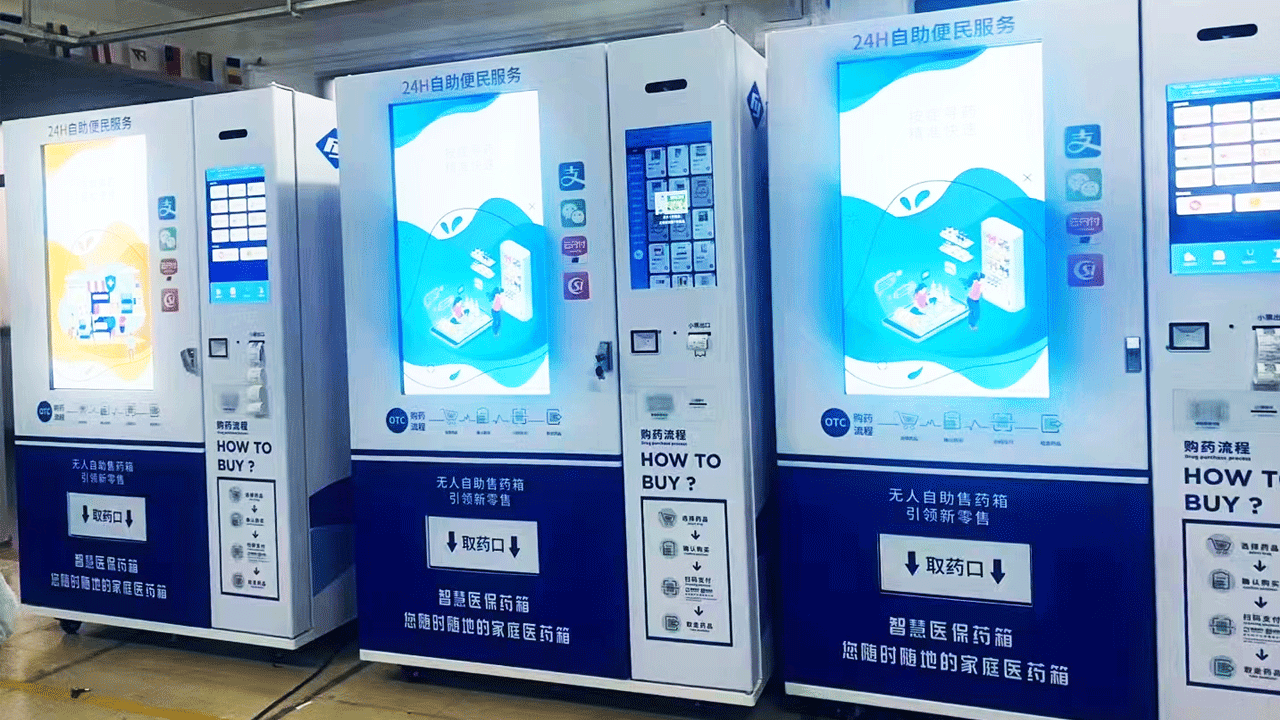
Driven by the dual forces of healthcare automation and instant health needs, “pharmacy vending machines” are moving from concept to reality. For hospital administrators, retail pharmacy operators, and healthcare investors, this represents both an opportunity to reduce costs and increase efficiency, and a complex compliance challenge.
Can You Sell Prescription Drugs in a Vending Machine?
In the vast majority of countries and regions, prescription drugs are prohibited from being sold through vending machines, limited only to over-the-counter (OTC) drugs, and typically only to the safer Class B OTC drugs.
The U.S. FDA explicitly states that the Federal Food, Drug, and Cosmetic Act does not prohibit the sale of OTC drugs in vending machines, but the drugs sold must fully comply with all applicable sections of the Act, and consumers must be able to clearly read the complete drug label information before purchase. This means OTC drugs can be sold in vending machines, but prescription drugs (Rx), requiring professional guidance and prescription verification, are strictly excluded.
In China, the “Guiding Opinions on the Setting of Self-service Medicine Vending Machines by Drug Retail Enterprises” issued by the Heilongjiang Provincial Drug Administration also clearly stipulates: Self-service medicine vending machines can only sell Class B OTC drugs (green OTC logo) , and prescription drugs are prohibited from being sold through self-service medicine vending machines. Drug retail enterprises bear the primary responsibility for the quality and safety of drugs sold through vending machines and must establish a traceability system covering the entire process of procurement, acceptance, sales, and maintenance.
Therefore, for B-end investors, the commercial positioning of pharmacy vending machines should be “OTC drug convenient access terminals,” not a channel for prescription drug substitution.
I. Where Does the Profit Come From?
1. Market Size and Growth Potential
According to Global Growth Insights data, the global medical vending machine market size in 2025 was approximately $538.7 million, and it is expected to increase to $562.2 million in 2026, a year-on-year growth of about 4.36%. By 2035, the market size is expected to soar to $825.5 million, driven by over 45% growth in automated medical dispensing solutions and the expansion of contactless payment system adoption to over 50%. Another research report indicates that the global floor-standing pharmacy vending machine market size in 2024 was approximately 73.52 billion RMB, and it is expected to approach 124.69 billion RMB by 2031, with a compound annual growth rate of 7.9% .
2. Profit Margin Benchmark
Unlike general merchandise vending machines, the profit model of pharmacy vending machines has the following characteristics:
- Gross Profit Margin: The gross profit margin for OTC drugs is typically between 30%-50%, with high sales frequency and stable demand.
- Revenue per Machine: Machines located in high-traffic locations such as hospitals and pharmacies can achieve an average daily transaction volume of 50-100 transactions, with an average transaction value in the $10-$30 range.
- Cost Savings: Hospital pharmacies have reduced pharmacy waiting times by 30% and medication dispensing errors by 20% through vending machines, indirect benefits that improve overall operational efficiency .
3. In-Depth Breakdown of Cost Structure
Investing in pharmacy vending machines requires a comprehensive understanding of the cost components:
- Equipment Cost: The price range for high-quality medical vending machines is significant. Basic configuration machines range from $1,500 to $3,000, while smart models equipped with advanced temperature control systems, biometric authentication, and IoT functionalities can cost upwards of $4,500 .
- Location Commission: Placing machines in high-traffic medical facilities or retail pharmacies typically requires paying 10%-20% of revenue as commission, or adopting a fixed rental model .
- Operating Costs: This includes electricity consumption, labor costs for regular restocking, equipment maintenance fees, and software update costs. Installation costs for advanced medical vending machines are 40% higher than traditional pharmacy setups, and annual maintenance costs increase by about 25% .
- Compliance Costs: Ensuring compliance with local pharmaceutical regulatory authorities requires advanced encryption and data security measures, increasing costs by about 20% .
II. Prime Placement Locations: Go Where the People Are
“Location” is critical to the success or failure of pharmacy vending machines. According to market data, over 60% of installations are concentrated in hospitals, clinics, and university campuses .
Analysis of Key Locations
Hospitals and Medical Institutions: This is the largest application scenario, accounting for over 40% of the medical vending machine market . Over 60% of large hospitals have installed emergency medicine vending machines, reducing pharmacy crowding by 35%. Nursing stations and intensive care units adopting vending solutions have increased on-demand medication dispensing efficiency by 30% .
Retail Pharmacies: Over 50% of large pharmacy chains have adopted self-service vending solutions, increasing OTC drug sales revenue by 30% and reducing queuing time . Setting up 24-hour self-service kiosks at pharmacy entrances in shopping malls and supermarkets can extend business hours and meet nighttime medication needs.
Corporate Offices and Business Centers: Corporate wellness programs have increased the installation of smart health kiosks by 30%, providing employees with quick access to common medications and first aid supplies . Similar to the placement logic for a protein shake vending machine, office locations need to match common employee health needs – pain relievers, cold medicine, digestive aids, etc.
Universities and Campuses: The student population has a stable demand for common OTC drugs. Universities are equipping dormitories, libraries, and student health centers with vending machines to reduce trips to pharmacies for minor health issues .
Transportation Hubs and Public Places: Self-service medicine vending machines can be set up in large transportation hubs, tourist attractions, hotels, residential communities, and other public places, but they must be operated by drug retail chain enterprises .
III. Product Selection: What Can Be Sold?
Saleable Categories
The product selection for pharmacy vending machines must strictly follow regulatory requirements:
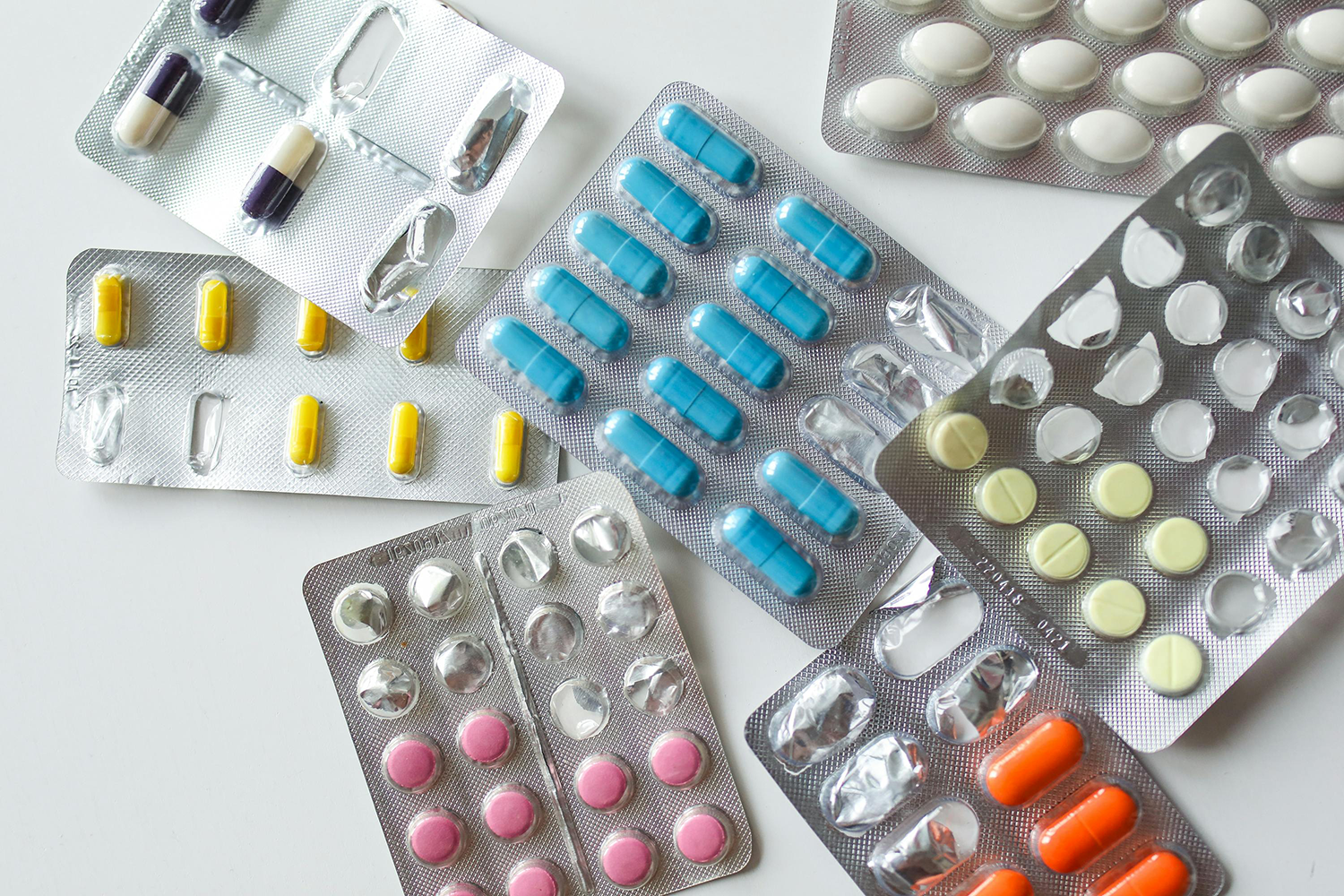
- Class B Over-the-Counter (OTC) Drugs (Green OTC Logo) : This is the core category, including common cold medicines, pain relievers, digestive system medications, antihistamines, birth control pills, and topical ointments .
- Personal Protective Equipment (PPE) : Masks, gloves, sanitizing products, and other health-related items.
- First Aid Supplies and Diagnostic Tools: Band-aids, thermometers, blood pressure monitors, etc.
Prohibited Categories
- Prescription Drugs (Rx) : All drugs requiring a doctor’s prescription are prohibited from being sold through vending machines .
- Special Drugs Requiring Refrigeration: Unless the equipment has precise temperature control and complies with GSP requirements.
- Bulk or Split Medications: Drugs sold must have intact packaging, labels, and instructions; split sales are not permitted .
IV. Risk Elimination: Avoiding Common Investment Pitfalls
While the market has broad prospects, blindly entering it may lead to losses. Here are key risks to watch for and corresponding countermeasures.
Risk 1: Regulatory Compliance Risk
Hidden Danger: Over 60% of medical institutions enforce strict guidelines for prescription drug dispensing . Unauthorized access to drugs or non-compliance with local regulatory requirements can lead to fines or forced removal. Regulatory requirements for vending machines vary significantly by region, involving electrical safety (CE/FCC certification), health permits, and pharmaceutical operating licenses.
Countermeasure: Understand the specific regulations of local pharmaceutical regulatory authorities in advance. In China, ensure that the enterprise setting up the self-service medicine vending machine holds a drug operating license, and the machine’s placement address must be noted under the “business address” in the license. Choose equipment brands with ISO certification .
Risk 2: Unreliable Equipment Quality
Hidden Danger: Cheap machines may have unstable cooling, imprecise temperature control, or incompatible payment systems, leading to drug spoilage or transaction failures. Data from the National Renewable Energy Laboratory (NREL, U.S.) shows that refrigeration-based vending machines can have 22% higher energy consumption, and low-quality equipment exacerbates this problem.
Countermeasure: Choose brands with good after-sales support, focusing on automatic temperature and humidity monitoring and control functions, drug traceability code scanning functions, and security monitoring facilities . Consider purchasing 1-2 sample machines for testing before bulk purchasing to verify cooling performance, payment system reliability, and user interface responsiveness .
Risk 3: Ignoring Site Traffic Quality and Cost Structure
Hidden Danger: Traffic doesn’t always equal sales. Prime locations like airports and stadiums may demand commissions of over 25%, eroding profits. Equipment placed within medical institutions must also comply with relevant regulations from health departments and medical insurance departments .
Countermeasure: Conduct on-site inspections before signing contracts to assess the target customers’ purchasing power and actual needs. Use the formula “foot traffic × conversion rate × average transaction value” to estimate daily revenue and negotiate a reasonable revenue share with the location provider. If necessary, sign short-term trial operation agreements to test location effectiveness.
Risk 4: Poor Supply Chain and Inventory Management
Hidden Danger: OTC drugs have clear expiration dates, with 37% of operators reporting frequent inventory damage . Unstable supply chains or untimely restocking can lead to stockouts or spoilage. Drugs have strict storage requirements, and non-compliant temperature and humidity accelerate deterioration.
Countermeasure: Cooperate with multiple drug suppliers and use IoT systems to set inventory warning levels and expiration date alerts. Establish standardized restocking procedures and train staff on proper drug storage . The equipment must have automatic temperature and humidity monitoring functions, and storage conditions must meet drug-specific requirements .