
Currently Empty: $0.00

2026-09-14
0 Comments
Introduction: Location Can Determine the Success of Pharmacy Vending Machines
The demand for convenient, self-service healthcare is changing the way medications and essential health products are distributed.
Today, pharmacy vending machines are being considered by hospitals, pharmacy chains, healthcare providers, vending operators, property managers and employers looking to provide easier access to over-the-counter products and approved medication services.
However, purchasing the right machine is only one part of a successful project.
The next critical question is:
Where should pharmacy vending machines be installed?
A machine placed in the right environment can solve a genuine access problem, serve a specific group of users and operate as part of a broader healthcare or pharmacy service. A machine installed in the wrong location may face low demand, unsuitable product selection or operational difficulties.
The best deployment strategy is not simply to find the location with the largest number of people. Instead, businesses should identify locations where three factors overlap:
- High demand for immediate healthcare products
- Limited access to traditional pharmacy services
- A strong need for convenient or extended-hour service
In this guide, we explain the 10 best locations for pharmacy vending machines, how each location differs and what businesses should consider before deployment.
1. Hospitals and Medical Centers
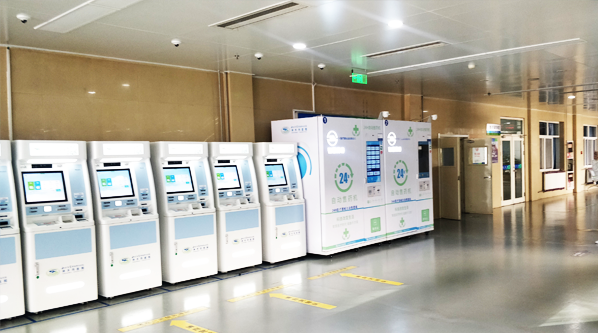
Hospitals are one of the most natural locations for pharmacy vending machines.
Patients, visitors and healthcare workers may need access to medications or health products outside the operating hours of an in-house pharmacy. In large hospitals, another challenge is the distance between different departments, wards and pharmacy counters.
A strategically positioned pharmacy vending machine can improve access to selected products closer to the point where demand occurs.
Suitable installation areas include:
- Hospital lobbies
- Emergency department waiting areas
- Outpatient buildings
- Near discharge areas
- Staff facilities
- Large medical campuses
- 24-hour entrances
Depending on the local healthcare system and applicable regulations, pharmacy vending machines may support different dispensing models. These can range from OTC medication and health-product sales to more integrated pharmacy workflows involving authorized prescription collection or pharmacist-controlled dispensing.
For healthcare providers, the key objective is often not to replace pharmacists. Instead, automation can help extend service availability and reduce pressure on staff for routine transactions.
Recommended features:
- Secure access control
- Temperature monitoring
- Real-time inventory management
- Expiry-date alerts
- Multiple payment methods
- Barcode or QR-code functionality
- Integration options with pharmacy or hospital systems
- Remote monitoring
Internal link opportunity: Link this section to your article about Pharmacy Vending Machines & Multiple Function Health Check Stations.
2. Retail Pharmacies and Pharmacy Chains
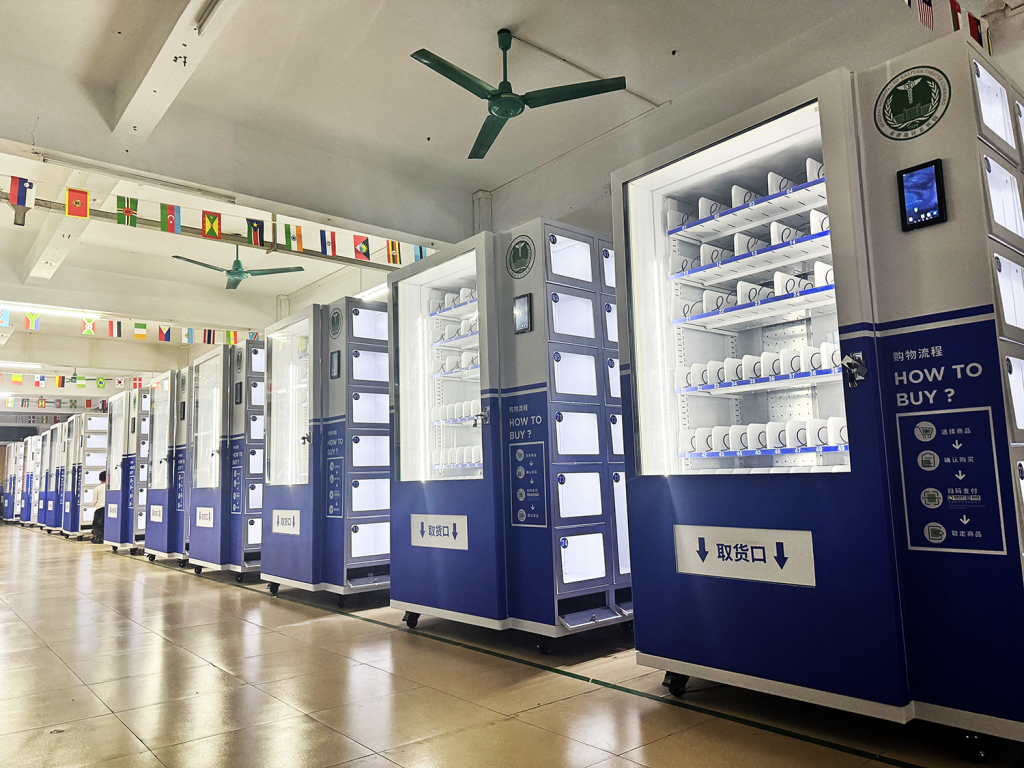
Traditional pharmacies do not always operate 24 hours a day.
This creates an opportunity for pharmacy vending machines to extend access beyond normal business hours.
For example, a pharmacy may install a machine:
- Outside the pharmacy entrance
- Inside a shopping center near the pharmacy
- At a separate high-demand satellite location
- In an area where opening another full pharmacy would be too expensive
This model can allow businesses to continue serving customers when the main store is closed, subject to local regulations and product restrictions.
A pharmacy chain can also use connected vending machines as part of a wider network. Centralized management software can help operators monitor inventory, sales activity and machine status across multiple locations.
Best products for this environment may include:
- Pain relief products
- Cold and flu products
- Allergy products
- Digestive health products
- First-aid supplies
- Personal care products
- Basic wellness products
The exact product range should always be determined according to local laws and pharmacy regulations.
For businesses planning this model, the machine should be viewed as an extension of the pharmacy service network, rather than simply a standard retail vending machine.
3. Clinics and Outpatient Centers
Patients often visit clinics for short consultations and may need medication or healthcare products immediately after their appointment.
A pharmacy vending machine installed near the exit, reception area or pharmacy pickup point can potentially simplify this journey.
A typical workflow may look like this:
Consultation → Approved medication or product recommendation → Digital verification where required → Self-service pickup
The final dispensing process depends on the local regulatory environment and the type of products being provided.
For clinics with limited space, automated dispensing can be particularly attractive because it may require less physical space than a traditional retail pharmacy counter.
Suitable clinic types include:
- General medical clinics
- Urgent care centers
- Community health centers
- Specialty clinics
- Corporate medical centers
- Large outpatient facilities
The greatest advantage in this environment is proximity to demand. Patients already have a healthcare-related need and are located directly at the point of care.
4. Airports and Transportation Hubs
Airports, railway stations and major transportation hubs are strong candidates for pharmacy vending machines because travelers often have immediate and unexpected healthcare needs.
A passenger may suddenly need:
- Pain relief
- Motion sickness products
- Cold and allergy products
- First-aid supplies
- Masks
- Hand sanitizer
- Personal healthcare products
Travelers also face a major convenience problem: they may not know where the nearest pharmacy is, may have limited time or may arrive after nearby stores have closed.
This makes 24/7 self-service access particularly valuable.
Recommended installation areas:
- Departure lounges
- Arrival halls
- Near baggage collection areas
- International terminals
- Major railway stations
- Long-distance bus terminals
For these locations, the machine should be designed for high public use.
Important features include:
- Durable construction
- Large touchscreen interface
- Multi-language support
- Multiple payment options
- Remote management
- Clear product information
- Secure dispensing
Transportation locations may generate significant foot traffic, but operators should not rely on traffic alone. The best results usually come from selecting products specifically designed for traveler needs.
5. Universities and College Campuses
University campuses create a unique healthcare access opportunity.
Students may need basic healthcare products late at night, during weekends or when campus medical facilities are closed.
At the same time, students may not have easy access to transportation or nearby pharmacies.
A pharmacy vending machine can provide convenient access to selected products directly on campus.
Potential installation locations:
- Student residences
- Campus convenience areas
- Student centers
- Libraries
- Sports facilities
- Campus health centers
- 24-hour study spaces
The product mix should reflect the needs of the local student population and comply with applicable regulations.
For example, operators may focus on:
- OTC healthcare products
- First-aid items
- Personal care products
- Hygiene products
- Seasonal wellness products
Campus deployments can also benefit from cashless payment systems and mobile-friendly interfaces.
6. Factories and Industrial Workplaces
Factories and large industrial workplaces often operate multiple shifts, including overnight shifts.
Employees may need access to basic health products when traditional pharmacies are closed.
This makes workplaces an important deployment environment for pharmacy vending machines.
A machine can be installed in:
- Employee break rooms
- Factory entrances
- Staff service areas
- Dormitory buildings
- 24-hour workplace facilities
For employers, the goal may be to improve employee convenience and provide easier access to approved healthcare and first-aid products.
Important considerations include:
- 24/7 availability
- Durable hardware
- Remote inventory management
- Cashless payment
- Easy restocking
- Clear product instructions
- Temperature stability
Large employers may also combine pharmacy vending machines with workplace wellness programs or health check services.
This creates an opportunity to integrate automated medication access with a broader employee healthcare strategy.
7. Residential Communities and Apartment Complexes
Residential communities can benefit from convenient access to essential health products, especially when nearby pharmacy access is limited.
This may be particularly relevant for:
- Large apartment communities
- Senior living communities
- Residential developments
- Remote communities
- Mixed-use developments
A pharmacy vending machine can provide a nearby self-service option for approved products without requiring residents to travel to another retail location.
The best installation areas may include:
- Community entrances
- Clubhouses
- Residential retail areas
- 24-hour security areas
- Shared service centers
However, product selection should match the needs of local residents.
For example, a community with a large elderly population may require a different product mix from a residential development focused primarily on young professionals.
This is where sales data and remote inventory analytics can become especially valuable.
Operators can gradually adjust product selection based on actual demand at each location.
8. Nursing Homes and Senior Care Facilities
Senior care facilities may have frequent demand for health-related products.
However, this environment also requires additional attention to product safety, access control and regulatory compliance.
Depending on the operating model and local laws, pharmacy vending machines may support approved healthcare product access for residents, visitors or staff.
Potential use cases include:
- OTC products
- Personal care products
- First-aid supplies
- Wellness products
For this environment, the machine interface should be easy to use.
Recommended features include:
- Large touchscreen controls
- Clear instructions
- Easy-to-read product information
- Accessible machine height
- Optional remote assistance
- Secure compartments
The objective should be convenience without compromising safety.
Operators must carefully evaluate whether the machine, products and dispensing process comply with local regulations before deployment.
9. Hotels and 24-Hour Hospitality Locations
Hotels receive guests who may be unfamiliar with the local area and may need healthcare products at inconvenient times.
A guest arriving late at night may have difficulty finding an open pharmacy.
This creates a potential opportunity for pharmacy vending machines in:
- Hotel lobbies
- Large resorts
- Airport hotels
- 24-hour hospitality facilities
A machine can offer approved products relevant to travelers and short-term guests.
Potential product categories may include:
- Basic OTC products
- Personal care items
- First-aid supplies
- Hygiene products
- Travel health essentials
For international hotels, a multilingual user interface can significantly improve the customer experience.
Operators should also consider whether product information and regulatory labeling requirements must be provided in specific languages.
10. Underserved Communities and Remote Areas
One of the most important long-term applications for pharmacy vending machines may be improving healthcare access in areas with limited pharmacy coverage.
Some communities are located far from pharmacies, clinics or retail healthcare services.
Opening and operating a full pharmacy at every location may not always be commercially practical.
Automated pharmacy solutions may help extend access to selected products and services, provided that deployment is supported by an appropriate regulatory and operational model.
Possible locations include:
- Rural communities
- Remote towns
- Community service centers
- Local healthcare facilities
- Public service buildings
In these environments, connectivity and remote management become particularly important.
Operators may need the ability to:
- Monitor inventory remotely
- Receive low-stock alerts
- Track machine status
- Monitor storage conditions
- Schedule efficient restocking routes
- Access real-time operational data
For larger healthcare networks, multiple machines can potentially be managed through a centralized platform.
How to Choose the Right Location for a Pharmacy Vending Machine
Before installing pharmacy vending machines, businesses should evaluate more than foot traffic.
The following five questions can help identify a stronger location.
1. Is There a Real Healthcare Access Gap?
Ask:
Why would someone use this machine instead of a nearby pharmacy?
Strong locations often have:
- Limited pharmacy access
- Long operating-hour gaps
- Large numbers of people needing immediate products
- Long distances to the nearest pharmacy
- High demand outside normal business hours
A machine is most valuable when it solves a real access problem.
2. Who Will Use the Machine?
Different locations require different product strategies.
For example:
| Location | Primary Users | Possible Product Focus |
|---|---|---|
| Hospital | Patients and visitors | Approved healthcare products and essential supplies |
| Airport | Travelers | Travel health and emergency essentials |
| University | Students | Basic wellness and personal healthcare products |
| Factory | Employees | Shift-worker healthcare and first-aid products |
| Residential Community | Residents | Everyday healthcare and wellness products |
| Hotel | Guests | Travel and personal healthcare essentials |
Understanding the user is essential before selecting the machine configuration and product mix.
3. What Regulations Apply?
This is one of the most important questions.
Rules concerning medication vending vary by country, state, region and product category.
Before deployment, businesses should determine:
- Which products may legally be sold through automated equipment
- Whether specific licenses are required
- Whether pharmacist supervision is necessary
- What labeling requirements apply
- Whether age verification is required
- What storage conditions must be maintained
- What records must be retained
For many projects, OTC products and approved healthcare supplies may be operationally simpler than prescription medication workflows. However, every deployment should be reviewed according to applicable local laws and professional requirements.
A pharmacy vending machine should never be designed around assumptions about regulatory approval.
Compliance must be considered before product selection and site deployment.
4. Can the Machine Maintain Product Storage Conditions?
Medication and healthcare products may have specific storage requirements.
A suitable pharmacy vending machine may require:
- Temperature-controlled storage
- Temperature monitoring
- Humidity management where required
- Real-time environmental alerts
- Data logging
- Automatic expiry-date management
The required configuration depends on the products being stored.
Businesses should select a machine based on actual product requirements rather than choosing a standard vending machine and attempting to adapt it later.
5. Can the Location Be Operated Efficiently?
A successful deployment also requires efficient operations.
Before installation, operators should consider:
- How often the machine will need restocking
- Who will manage inventory
- How machine performance will be monitored
- How quickly technical issues can be resolved
- Whether remote management is available
- How expiry dates will be controlled
- Whether sales data can be analyzed by location
For multi-location projects, centralized management software can significantly improve scalability.
Instead of visiting every machine to check stock and performance, operators can monitor key data remotely and prioritize service visits.
Pharmacy Vending Machines and Health Check Stations: A More Complete Healthcare Access Model
The next stage of automated healthcare is not limited to medication dispensing.
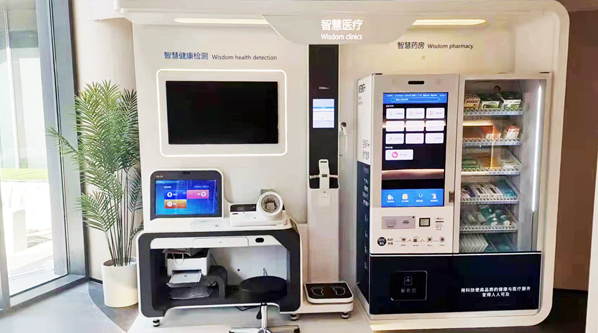
In some locations, businesses and healthcare providers may combine pharmacy vending machines with multiple functional health check stations.
A potential user journey could be:
Health screening → Basic health data → Professional guidance or remote healthcare services where available → Approved product or medication access
For example, a health check station may support measurements such as:
- Blood pressure
- Heart rate
- Body temperature
- Blood oxygen saturation
- Other compatible health monitoring functions
The available services and medical workflow depend on the equipment configuration, healthcare provider integration and local regulations.
Where telehealth or hospital systems are integrated, some projects may support additional professional services. Without such integration, a health check station is generally better positioned as a tool for screening, monitoring and providing useful health data rather than independently diagnosing medical conditions.
This combination can create a more complete automated healthcare environment for hospitals, communities, workplaces and other service locations.
What Features Should Pharmacy Vending Machines Have for Multi-Location Deployment?
For businesses planning to install multiple machines, scalability should be considered from the beginning.
Important features include:
Remote Management
Operators should be able to monitor:
- Sales
- Inventory
- Machine status
- Error alerts
- Temperature conditions
- Product availability
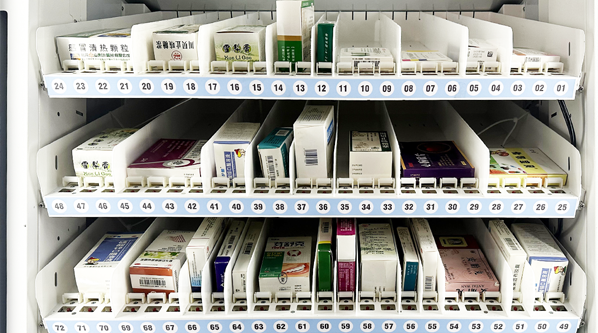
Flexible Product Capacity
Different locations have different demand levels.
A small clinic may require a compact machine, while a hospital or transportation hub may require a larger configuration with more product channels.
IMT offers pharmacy vending machine configurations with different capacities, allowing operators to select equipment according to deployment requirements.
Flexible Product Compatibility
Healthcare products are not all the same size.
Machines may need to accommodate different packaging formats, such as:
- Boxes
- Bottles
- Blister packs
- Small medical supplies
- Personal care products
Secure Dispensing
For healthcare-related products, machine security is essential.
Depending on the application, businesses may require:
- Secure cabinet construction
- Controlled dispensing
- User verification
- Transaction records
- Tamper-resistant design
Expiry Management
Expired products create operational and compliance risks.
A smart pharmacy vending system should support inventory monitoring and expiry management so operators can identify products that require attention before they become unavailable for sale.
Why Work With a Specialized Pharmacy Vending Machine Manufacturer?
Pharmacy vending machines should not be treated as ordinary snack vending machines with different graphics.
Healthcare applications may require specialized consideration for:
- Storage conditions
- Product compatibility
- Secure dispensing
- Inventory traceability
- System integration
- Regulatory requirements
- Long-term reliability
A specialized manufacturer can help businesses evaluate the right combination of hardware, capacity, software and customization for the intended deployment.
At IMT, pharmacy vending solutions can be configured for different healthcare and commercial environments.
The available product range includes pharmacy vending machine configurations with different capacities and touchscreen options, designed to support different deployment requirements.
For larger projects, businesses should discuss the complete deployment plan before selecting a machine, including:
- Target country or market
- Intended products
- Deployment location
- Expected daily users
- Required storage conditions
- Software and system integration needs
- Branding and customization requirements
- Regulatory workflow
This approach helps ensure that the machine configuration matches the actual business model.
Final Thoughts: The Best Pharmacy Vending Machine Location Is Where Automation Solves a Real Problem
There is no single best location for all pharmacy vending machines.
A hospital, airport, university, factory and residential community may all be suitable—but for different reasons.
The strongest deployment opportunities usually share one thing:
They provide access where traditional pharmacy services are limited, inconvenient or unavailable.
Before launching a project, businesses should evaluate the location, user demand, product strategy, regulations and operational model together.
The right machine should then be selected based on those requirements.
As healthcare becomes increasingly connected and automated, pharmacy vending machines can become an important part of broader healthcare access strategies—particularly when combined with smart inventory systems, secure dispensing technology, remote management and, where appropriate, multiple functional health check stations.
Whether you are a hospital, pharmacy chain, healthcare provider, vending operator, distributor, property developer or brand owner, a carefully planned deployment can help transform pharmacy automation from a single machine purchase into a scalable healthcare service solution.
Looking for a Pharmacy Vending Machine Manufacturer?
IMT provides pharmacy vending machine solutions designed for different capacities, product formats and deployment environments.
If you are planning a pharmacy automation project, our team can help evaluate your application requirements and discuss suitable machine configurations, customization options and smart management solutions for your target market.
Contact IMT to discuss your pharmacy vending machine project and build a solution around your location, products and operational requirements.