
Currently Empty: $0.00


2025-12-10
0 Comments
Introduction
Hospitals and university campuses have different healthcare access requirements, but both may benefit from convenient access to selected healthcare products outside traditional retail hours.
A pharmacy vending machine can provide an additional self-service channel for approved products when the equipment, product range and operating process meet local requirements. Successful deployment requires careful planning around site selection, product compatibility, security, restocking and coordination with the organization responsible for the installation.
This guide explains how hospitals and campuses can assess their requirements and plan a pharmacy vending machine project.
1. Hospital Pharmacy Vending Machine Deployment
Hospitals operate across multiple departments and often serve patients, visitors and staff at different times of day. A vending machine may provide convenient access to selected healthcare products in locations where demand has been identified.
Potential Installation Areas
Depending on hospital policy and local regulations, potential areas for assessment include:
- Main entrances and public lobbies
- Visitor waiting areas
- Outpatient buildings
- Staff facilities
- Hospital accommodation areas
- Approved locations near existing pharmacy services
The hospital should evaluate pedestrian flow, security, accessibility, available space and the relationship between the proposed installation and existing pharmacy operations.
Product Selection for Hospitals
The product range should be defined by the hospital or authorized operator according to local rules and the needs of the intended users.
Potential categories may include approved first-aid supplies, selected personal-care products and permitted OTC healthcare products. Any medicine-related inventory must meet applicable storage, labeling, authorization and dispensing requirements.
Operational Requirements
Before installation, establish clear responsibility for product purchasing, inventory checks, expiration-date control, restocking and technical maintenance.
Hospitals should also determine whether the proposed machine needs to connect to existing information systems. Prescription dispensing or medication pickup workflows require specific technical and regulatory assessment and should not be assumed to be available on every machine.
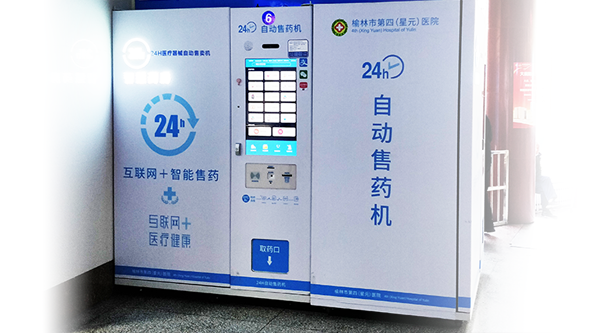
2. Campus Pharmacy Vending Machine Deployment
Universities and colleges may have students, employees and visitors using campus facilities at different hours. A vending machine may support access to selected healthcare essentials in suitable locations.
Potential Installation Areas
Possible sites include:
- Student residences
- Student service centers
- Campus convenience areas
- Sports facilities
- Library buildings
- Staff facilities
Each site should be evaluated separately. For example, a residence hall may prioritize convenience outside normal store hours, while a sports facility may require products suited to minor first-aid needs.
Product Planning
Work with the campus administration and the authorized product operator to identify suitable products. Review customer needs, local restrictions, package compatibility and required storage conditions before selecting inventory.
The product assortment should be reviewed periodically using sales and stock data rather than relying only on assumptions about student demand.
User Experience and Campus Policies
Consider clear product information, accessible placement, suitable payment options and easy-to-follow instructions. If campus cards or other organization-specific payment systems are required, confirm compatibility before ordering equipment.
3. How to Compare Hospital and Campus Requirements
Although both settings may use pharmacy vending machines, their operational priorities can differ.
| Planning factor | Hospital | Campus |
|---|---|---|
| Main objective | Complement selected healthcare services | Provide convenient access to approved healthcare essentials |
| Site priorities | Public lobbies, waiting areas and approved service zones | Residences, student facilities and other high-use areas |
| Product planning | Based on hospital policy and authorized healthcare requirements | Based on student and staff needs and permitted product categories |
| System integration | May require assessment of hospital systems | May require assessment of campus payment or access systems |
| Operations | Coordination with hospital departments and authorized operators | Coordination with campus administration and the responsible operator |
These are planning considerations rather than universal specifications. Each project should be designed around its actual requirements.
4. Equipment Features to Evaluate
Before choosing equipment, review:
- Product capacity and packaging compatibility
- Storage requirements for the intended products
- Secure dispensing and access control
- Payment methods and user-interface options
- Inventory reporting and remote monitoring
- Maintenance access and spare-part availability
- Customization and integration requirements
Only select features that are supported by the proposed configuration and needed for the deployment.
5. A Practical Implementation Roadmap
Step 1: Define the Project Scope
Identify the responsible organization, intended users, permitted product categories and desired operating hours.
Step 2: Assess the Installation Site
Review available space, accessibility, security, power, connectivity and restocking access.
Step 3: Confirm Compliance Requirements
Consult the relevant regulatory authorities and qualified pharmacy professionals to determine which products and dispensing workflows are permitted.
Step 4: Select and Validate Equipment
Compare the required capacity, storage conditions, payment options, management functions and maintenance arrangements. Test product compatibility before finalizing the configuration.
Step 5: Establish Operating Procedures
Assign responsibility for inventory, expiration checks, restocking, maintenance, customer enquiries and incident handling.
Step 6: Review Pilot Performance
Where practical, begin with a limited deployment. Review sales, stock availability, maintenance needs and feedback before expanding to additional locations.
Conclusion
Hospital and campus pharmacy vending machine projects should be tailored to the needs of each environment. Clear responsibilities, suitable equipment and a compliant product strategy are essential to reliable deployment.
Explore IMT pharmacy vending machine solutions to discuss your hospital or campus project, intended product range and configuration requirements.