
Currently Empty: $0.00

2025-12-09
0 Comments
Introduction
Access to healthcare products can be inconvenient when retail pharmacies are far away, closed or difficult to reach. People living in underserved communities, employees working overnight shifts and travelers may need convenient access to selected healthcare essentials outside traditional retail hours.
Pharmacy vending machines offer one potential way to extend access to approved products through self-service locations. Their value depends on choosing suitable sites, selecting permitted products and establishing reliable operating procedures.
1. Extending Access Beyond Traditional Retail Hours
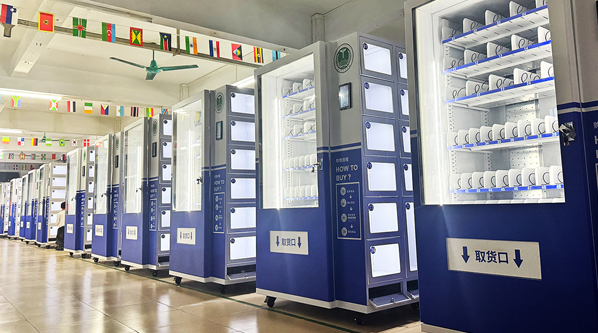
A pharmacy vending machine can make selected products available at locations where traditional pharmacy counters may not be open at all times.
Potential settings include hospitals, campuses, workplaces, transportation hubs and residential communities. Operators should first establish whether there is a genuine need for the service and whether the proposed product range is permitted at the site.
2. Bringing Healthcare Essentials Closer to Users
Convenience depends partly on where a machine is located. An installation near a workplace or student residence may serve different needs from one in a hospital lobby or transportation hub.
Site selection should consider the intended users, nearby retail services, accessibility, security and restocking costs. For a practical location-planning framework, read our guide to the best locations for pharmacy vending machines.
3. Supporting Self-Service Convenience
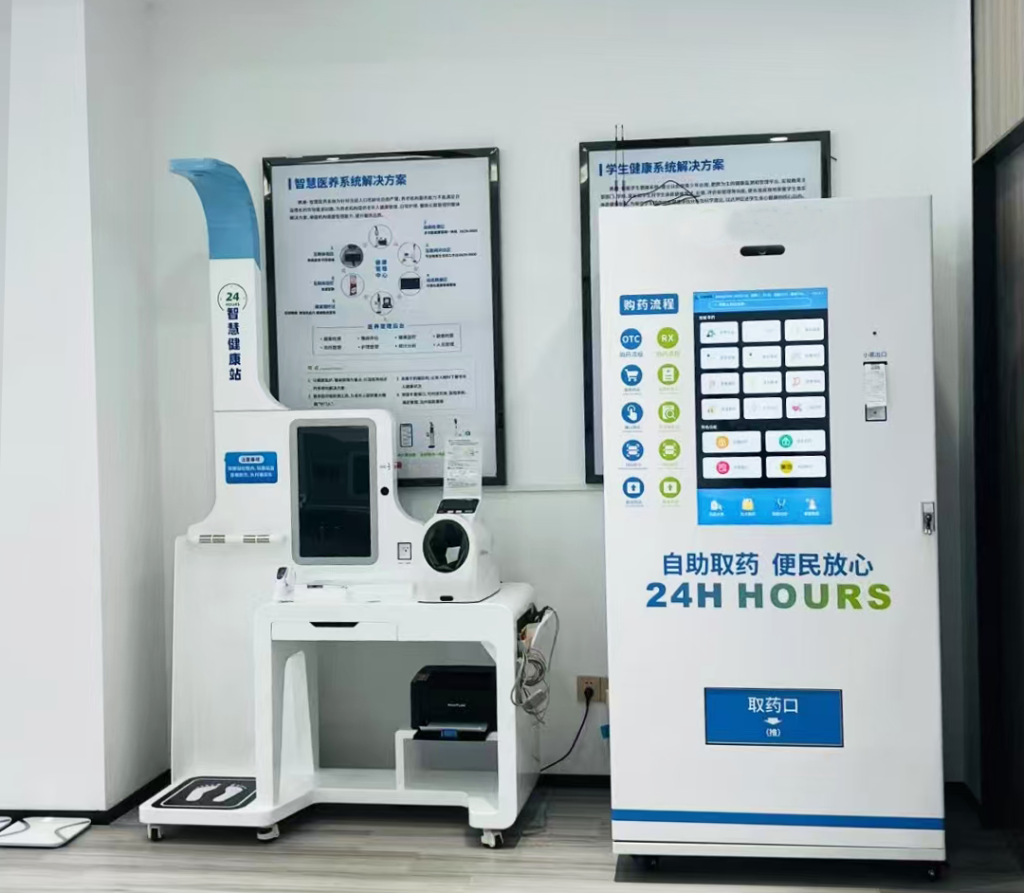
A well-designed self-service experience can help users identify available products and complete purchases without waiting for a staffed counter.
Useful considerations include clear product information, intuitive touchscreen navigation, supported payment options and accessible placement. Product warnings and usage instructions should be presented appropriately, and the machine should not imply that it replaces professional medical advice.
4. Improving Operational Visibility
For operators managing one or more machines, inventory reports and remote equipment monitoring may help identify low stock, review sales patterns and organize maintenance.
The exact functions depend on the selected system. Buyers should confirm which management tools are available and whether additional software integration is required.
5. Supporting Different Community Settings
Hospitals and Healthcare Facilities
Hospitals may assess whether vending machines can provide convenient access to selected approved healthcare products in suitable public areas. Any medicine-related deployment must fit hospital policy and applicable regulations.
Universities and Workplaces
Campus and workplace installations may provide convenient access to permitted healthcare essentials for students and employees. Product selection should reflect the intended users and site-specific requirements.
Transportation and Residential Locations
Travelers and residents may benefit from convenient access to selected products in appropriate locations. Security, customer instructions, restocking access and local rules should be assessed before installation.
6. Safety and Responsible Deployment
Improving access should not come at the expense of product safety or regulatory compliance.
Before launching a project, confirm:
- Which products may legally be sold through the proposed machine
- Whether storage or temperature monitoring is required
- Whether age verification or other purchase controls apply
- Who is responsible for inventory and expiration-date checks
- How technical issues and customer enquiries will be handled
Prescription medicines may require additional authorization and specific dispensing procedures. The legal requirements vary by market and product category.
For further guidance, see our pharmacy vending machine safety and compliance guide.
7. How Businesses Can Evaluate a Project
Before investing, define the target users, location, permitted product range and expected operating model. Estimate equipment, site, inventory, maintenance and restocking costs.
A limited pilot can help test demand and identify operational issues. Use actual sales and cost data to decide whether the project should be adjusted or expanded.
Conclusion
Pharmacy vending machines can provide an additional channel for convenient access to approved healthcare products. Their contribution to healthcare accessibility depends on appropriate locations, suitable equipment, compliant product selection and reliable operations.
If your organization is considering an automated healthcare retail project, explore IMT pharmacy vending machine solutions to discuss your intended application and equipment requirements.