
Currently Empty: $0.00

2026-04-27
0 Comments
The healthcare retail landscape is undergoing a seismic shift. As consumers demand 24/7 access to essential medications, the pharmacy vending machine has emerged as a critical solution for hospitals, campuses, and public venues worldwide. However, navigating the complex web of regulations, safety protocols, and technological requirements can be daunting for operators and healthcare administrators alike.
This comprehensive guide addresses the most pressing questions about pharmacy vending machines—from legal compliance and age verification to inventory management and ROI—empowering you to make informed decisions in this rapidly growing market.
1. Legal Framework: Is a Pharmacy Vending Machine Legal?
The most common question potential operators ask is whether pharmacy vending machines are legally permitted. The answer varies significantly by jurisdiction, but clear frameworks are emerging.
Federal Regulations
At the federal level, the FDA classifies vending machines that dispense heated foods under Product Code RCU. For pharmaceutical products, however, stricter oversight applies. Prescription medications and drugs containing ephedrine alkaloids are federally restricted and generally prohibited from vending machine distribution.
State-Level Legal Frameworks
Several states have established explicit regulations for pharmacy vending machines. Maine, for example, created a “vending machine outlet” pharmacy license classification, effectively legalizing nonprescription drug vending under specific conditions.
Key Legal Requirements Across States:
- Licensing: Many states require a pharmacy license or “vending machine outlet” classification
- Location Restrictions: Machines are often prohibited near schools and childcare facilities
- Product Limits: Some states cap the number of different nonprescription drugs per machine (e.g., 12 products)
- Labeling Requirements: Machines must display owner identification, toll-free contact numbers, expiration date warnings, and board of pharmacy contact information
⚠️ Important: Always consult local pharmacy boards and legal counsel before deployment. Laws vary significantly—what is legal in Maine may be prohibited in neighboring states.
2. What Can a Pharmacy Vending Machine Dispense?
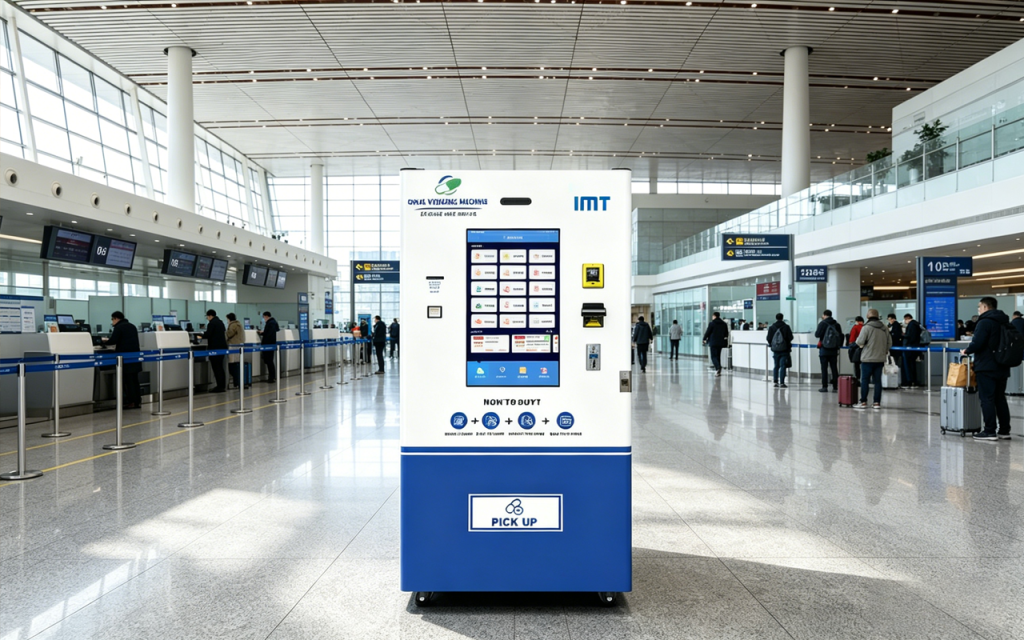
Understanding the product scope is crucial for legal compliance and business planning.
✅ Allowed Products (Nonprescription Drugs)
| Product Category | Examples | Requirements |
|---|---|---|
| First Aid | Bandages, antiseptic wipes, gauze | Original packaging |
| Pain Relief | Acetaminophen, ibuprofen | Tamper-evident seals |
| Cold & Allergy | Antihistamines, decongestants | Expiration dating visible |
| Digestive Health | Antacids, anti-diarrheal meds | Manufacturer labeling intact |
| Chronic Support | Blood glucose test strips, thermometer batteries | Proper storage conditions |
| Preventive Care | Vitamins, supplements | Clearly labeled packaging |
Critical Requirements:
- Products must be sold in original, unbroken, tamper-proof packaging
- Expiration dates must be clearly visible and not expired
- Storage must comply with manufacturer temperature recommendations
❌ Prohibited Products
The following cannot be sold through standard pharmacy vending machines:
- Prescription-only medications (except in controlled hospital systems with biometric verification)
- Ephedrine alkaloid-containing products
- Drugs intended for hypodermic injection
- Controlled substances (without special licensing and verification)
Prescription Medications: A Special Case
While standard public vending machines cannot dispense prescription drugs, closed systems within hospitals or pharmacies equipped with biometric authentication and electronic prescription integration are emerging. These advanced units require:
- Biometric identity verification (facial recognition or fingerprint)
- Integration with e-prescription platforms
- Remote pharmacist approval for certain medications

3. Safety & Security: Preventing Minors and Misuse
Protecting vulnerable populations is paramount in pharmacy vending operations. Modern machines employ multiple layers of protection.
Age Verification Technologies
1. Government ID Scanning
Machines can be equipped with ID scanners that validate driver‘s licenses or government-issued IDs, verifying age against official databases in real-time.
2. Biometric Authentication
Facial recognition or fingerprint scanning provides secure, frictionless age verification. The system cross-references biometric data with age databases to ensure compliance.
3. Mobile App Authentication
Integrated mobile applications allow users to verify their age through pre-validated accounts, streamlining the purchase process for registered users.
Prescription Validation (For Restricted Medications)
Advanced pharmacy vending machines incorporate multiple prescription verification methods:
| Method | How It Works | Best For |
|---|---|---|
| QR Code Scanning | Patient scans prescription QR code | Outpatient settings |
| E-Prescription Integration | Connects to hospital/pharmacy database | Healthcare facilities |
| Manual Pharmacist Review | Remote pharmacist approves via video | High-risk medications |
What Happens When a Minor Attempts Purchase?
Modern systems are designed to prevent underage access proactively:
- Immediate transaction rejection upon detection
- Suspicious activity flagging in the management system
- Operator notifications for repeated attempts
- Law enforcement alerts in jurisdictions requiring them
Physical Security Measures
Beyond age verification, these machines feature:
- Tamper-proof compartments with individual locks
- Surveillance camera integration
- Sensors detecting unauthorized access attempts
- Smash-proof glass in public-facing models
4. Technology & Operations: How Modern Pharmacy Vending Machines Work
Today‘s pharmacy vending machines are sophisticated IoT-enabled healthcare devices, not simple snack dispensers.
IoT and Remote Monitoring
The backbone of modern pharmacy vending is the Internet of Things (IoT), enabling real-time monitoring of:
- Inventory levels — Know exactly what‘s in stock remotely
- Temperature and humidity — Ensure medication efficacy
- Expiration dates — Automated alerts for approaching expirations
- Machine status — Detect issues before they cause downtime
Real-World Impact: IoT sensors can improve inventory counting efficiency by 90% and reduce drug loss rates by 45%.
Smart Inventory Management
| Feature | Function | Benefit |
|---|---|---|
| Automated Restocking Alerts | Triggers when inventory hits threshold | Reduces stockouts by 72% |
| Predictive Analytics | Forecasts demand based on patterns | Optimizes stock levels |
| Expiration Tracking | Monitors dates automatically | Prevents dispensing expired meds |
Remote Management Platforms
Cloud-based systems like VendingOS allow operators to manage entire fleets from any device:
- Single dashboard for monitoring nationwide deployments
- Real-time sales analytics and performance metrics
- Remote troubleshooting reducing on-site visits
- Multi-tier permission management for operators, managers, and regulators
Case Example: A pharmaceutical chain deploying medicine cabinets across 2,000 pharmacies improved remote troubleshooting efficiency by 80% and reduced maintenance costs by 35%.
Prescription Processing Speed
Integration with electronic prescription platforms transforms patient experience:
- Traditional pharmacy pickup: 15 minutes average wait
- Pharmacy vending machine pickup: 1–2 minutes
Energy Efficiency
Advanced units like those incorporating solar tracking systems ensure sustainable 24/7 operation while minimizing environmental impact.
5. Investment & ROI: Is a Pharmacy Vending Machine Worth It?
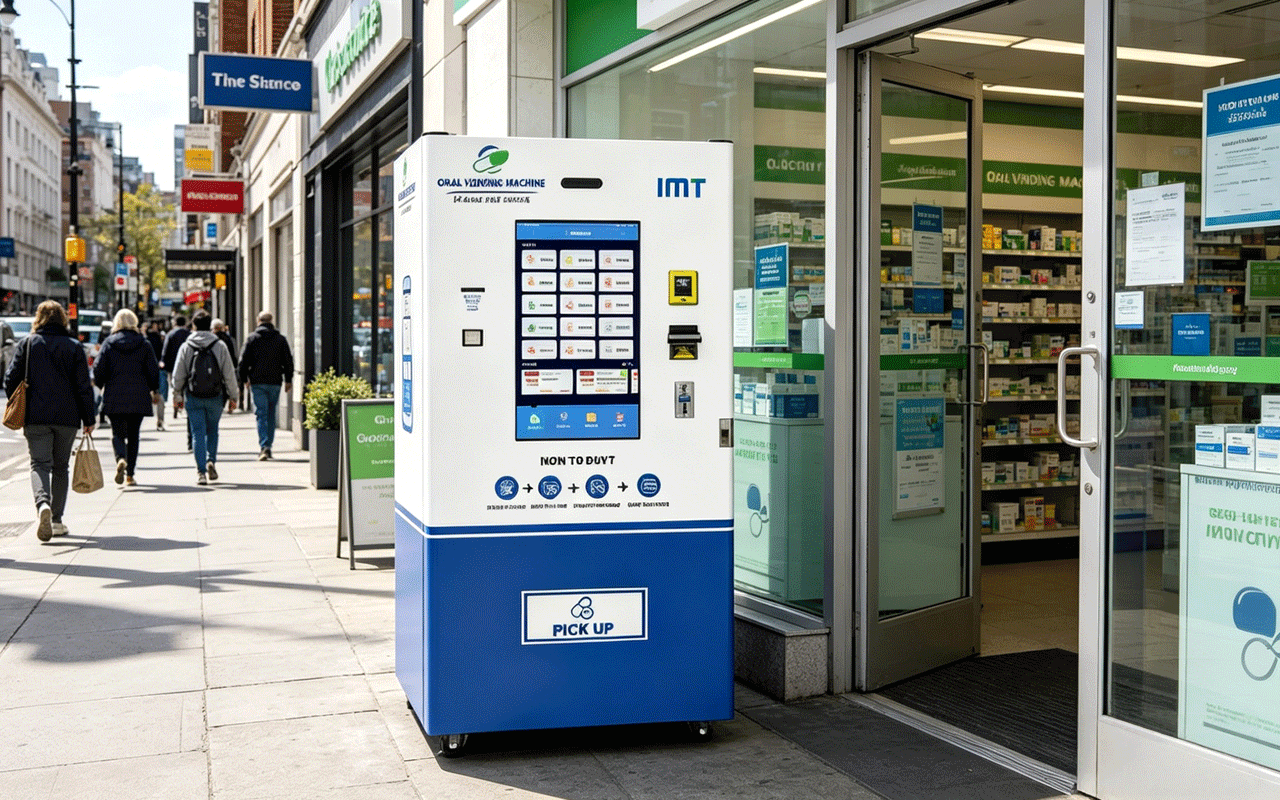
Understanding the financial picture helps justify the investment.
Market Size and Growth
The global market for pharmacy vending machines is substantial and growing:
| Metric | Value |
|---|---|
| 2024 Global Market Size | USD 73.52 billion |
| 2031 Projected Market | USD 124.69 billion |
| CAGR (2026-2031) | 7.9% |
Key Investment Benefits
Reduced Operational Costs
- 52% lower operational costs compared to traditional pharmacy kiosks
- No staffing requirements for after-hours service
- Minimal physical footprint reduces real estate costs
Increased Revenue Opportunities
- Capture 42% of transactions between 6 PM and 8 AM in emergency zones
- 24/7 operation vs. limited pharmacy hours
- Impulse purchase potential from high-traffic locations
Improved Efficiency
- Prescription processing time reduced by 93% (15 minutes → 1 minute)
- Inventory management time reduced by 90%
Typical Cost Structure
| Cost Component | Estimated Range |
|---|---|
| Machine Hardware | $15,000 – $50,000+ (depending on features) |
| IoT Integration | Included in premium models |
| Licensing & Permits | Varies by jurisdiction ($500 – $5,000) |
| Installation | $1,000 – $3,000 |
| Monthly Maintenance | $200 – $500 (remote monitoring) |
| Restocking | Labor + product cost |
ROI Timeline
With proper placement and management, operators can expect:
- Payback period: 6–18 months for high-traffic locations
- Profit margins: 30–50% (compared to 15–25% for traditional vending)
- Revenue per machine: $2,000 – $10,000+ monthly depending on location
Best Locations for Maximum ROI
| Location | Key Advantage | Expected Daily Transactions |
|---|---|---|
| Hospital Emergency Areas | 24/7 medical needs | 40–80+ |
| 24-Hour Pharmacies | After-hours demand | 30–60+ |
| University Health Centers | Student population | 25–50+ |
| Corporate Campuses | Employee convenience | 20–40+ |
| Transit Hubs | Travelers/commuters | 30–70+ |
6. Implementation Strategies: Hospital & Campus Deployment
Different environments require tailored approaches to maximize effectiveness.
Hospital Deployment: The Golden Triangle Model
Hospitals benefit most from strategic placement in three key zones:
1. Emergency Waiting Areas
- Stock: First aid kits, basic dressings, disposable medical devices
- Data Insight: 42% of transactions occur between 6 PM and 8 AM
2. Inpatient Elevator Lobbies
- Stock: Nighttime essentials, personal care, nutritional supplements
- Benefit: Serves patients and families after pharmacy closes
3. Outpatient Pharmacy Extensions
- Stock: Routine medication pickups, chronic condition supplies
- Benefit: Diverts traffic during peak hours
Tiered Medication System for Hospitals
| Tier | Product Type | Restocking Frequency |
|---|---|---|
| 1 (Emergency) | Bandages, pain relievers, fever reducers | Daily |
| 2 (Chronic Support) | Test strips, masks, batteries | 2–3x weekly |
| 3 (Convenience) | Hot/cold packs, thermometers | Weekly |
Campus Deployment: The Four-Dimensional Health Ecosystem
Colleges and universities represent a growing market segment:
| Zone | Target Products | Peak Usage |
|---|---|---|
| Dormitories | Basic medications, hygiene products | Late nights, weekends |
| Teaching Areas | Mental alertness, eye fatigue relief | Exam periods |
| Sports Venues | Sports injury management | Athletic events |
| Libraries | Silent/health products | Extended study hours |
Implementation Roadmap
Phase 1 (1–2 Months): Feasibility
- Assemble project team
- Conduct site assessment
- Select pilot locations
Phase 2 (3–6 Months): Pilot Operations
- Deploy 1–2 machines
- Establish processes
- Collect operational data
Phase 3 (7–12 Months): Scaling
- Optimize based on pilot data
- Expand to multiple locations
- Establish regional service
7. Compliance Checklist: Launching Your Pharmacy Vending Machine
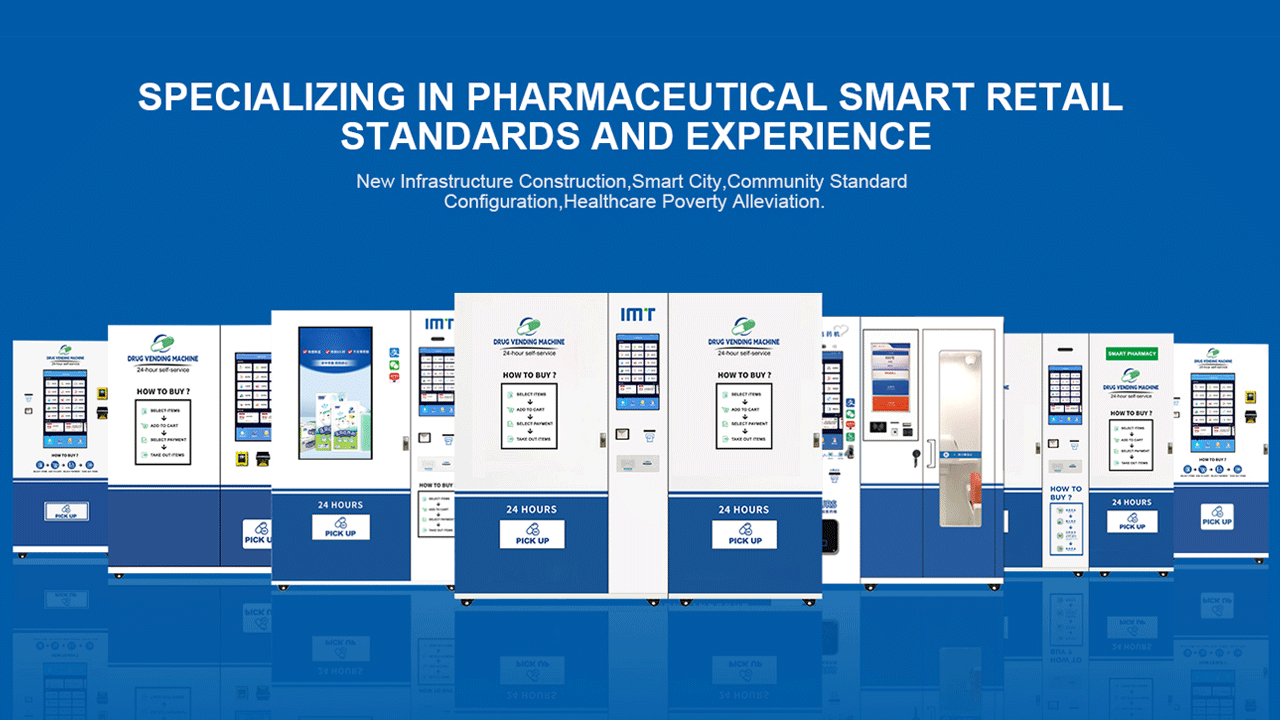
Before deployment, ensure these requirements are addressed:
Licensing & Permits
- Obtain necessary pharmacy licenses (check state board requirements)
- Apply for “vending machine outlet” classification if required
- Register each machine location with state pharmacy board
Physical Requirements
- Install clear owner identification and toll-free number
- Display expiration date warning statement
- Include state pharmacy board contact information
- Ensure tamper-proof, temperature-controlled storage
Operational Protocols
- Establish regular inspection schedule (minimum 3x daily for hospitals)
- Implement restocking alert system
- Set up remote monitoring dashboard
- Create emergency response procedures
Technology Integration
- Install age verification system (if dispensing age-restricted products)
- Configure remote management platform
- Integrate with e-prescription system (if applicable)
- Enable real-time inventory tracking
Comparison: Pharmacy Vending Machine vs. Traditional Pharmacy
| Feature | Pharmacy Vending Machine | Traditional Pharmacy |
|---|---|---|
| Operating Hours | 24/7 | Limited (typically 9 AM – 9 PM) |
| Staffing | None required | Pharmacist + technicians |
| Prescription Wait Time | 1–2 minutes | 15–30 minutes |
| Operational Cost | 52% lower | Higher |
| Product Spoilage | <10% | 20–30% |
| Patient Satisfaction | High (convenience) | Moderate (wait times) |
| Location Flexibility | High (any high-traffic area) | Low (fixed retail space) |
| Regulatory Complexity | Moderate (requires licensing) | High |
Future Trends in Pharmacy Vending Technology
The pharmacy vending machine market continues to evolve:
AI-Powered Operations
VendingOS and similar platforms use artificial intelligence to predict demand, optimize restocking schedules, and provide actionable business intelligence.
Biometric Integration
Biometric authentication for controlled substance dispensing is emerging, combining identity verification with medication security.
Expanded Capabilities
Future machines will offer:
- Telehealth integration for remote consultations
- Expanded prescription medication dispensing (with verification)
- Cold chain medication storage (vaccines, insulin)
- Multi-language interfaces for diverse populations
Sustainability Features
Solar tracking systems and energy-efficient designs reduce environmental impact while enabling deployment in remote locations.
Conclusion
The pharmacy vending machine represents a transformative solution for healthcare accessibility. By addressing the core concerns of legality, safety, technology, and ROI, operators can successfully deploy these systems in hospitals, campuses, and public venues worldwide.
Key Takeaways:
- Legal compliance requires understanding state-specific regulations and obtaining proper licensing
- Safety protocols including age verification and prescription validation protect consumers
- IoT technology enables remote management, real-time inventory, and 99%+ uptime
- Financial returns are compelling, with payback periods under 18 months in optimal locations
As the market projects growth to USD 124.69 billion by 2031, now is the time to evaluate how pharmacy vending machines can serve your community‘s healthcare needs while delivering sustainable business returns.