
Currently Empty: $0.00

2025-12-22
0 Comments
Introduction
Smart city projects increasingly focus on making public services more accessible, connected, and convenient. Health screening is one area where integrated equipment can support this objective by providing selected health measurements in community facilities and other suitable public locations.
A multiple functional health check station combines several measurement functions in one self-service platform. For local authorities, property developers, healthcare providers, and system integrators, the challenge is not simply installing equipment. A successful project requires appropriate site selection, user access, maintenance, data protection, and a clear operating model.
What Is a Health Check Station in a Smart City?
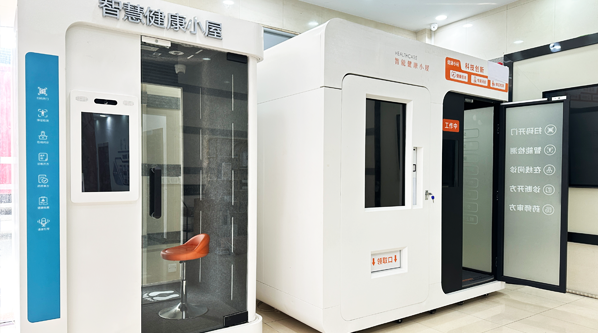
A health check station in a smart city is a self-service or staff-assisted kiosk that supports selected health measurements and screening activities in a public or community setting.
Depending on the model, functions may include blood pressure, heart rate, blood oxygen, temperature, height, weight, BMI, body composition, or ECG. Some configurations may also support reporting, data management, or integration with compatible health platforms.
The specific capabilities depend on the equipment, software, and local requirements. A station should be deployed for a defined purpose rather than treated as a replacement for hospitals or professional medical services.
Potential Deployment Locations
Residential Communities
Community facilities can provide convenient access to routine measurements, particularly where residents may find it difficult to travel for every basic screening activity.
Before installation, project planners should evaluate accessibility, expected use, privacy, maintenance, and whether residents can obtain assistance when needed.
Community Service Centers
A station may complement existing community services by offering selected self-service measurements. The operating team should define responsibilities for equipment upkeep, user guidance, and referral to appropriate healthcare professionals when necessary.
Public Service Buildings
Libraries, public service centers, and other suitable buildings may be considered when there is a clear user need and enough space for safe, private operation.
Industrial Parks and Large Campuses
Industrial parks and large campuses may use health screening stations as part of employee or community wellness programs. Network connectivity, maintenance access, and the responsibilities of different site operators should be clarified before deployment.
Transportation Hubs
Transportation facilities may consider screening equipment where installation conditions, user demand, privacy, and operating procedures are appropriate. High foot traffic alone does not guarantee that a station will be used effectively.
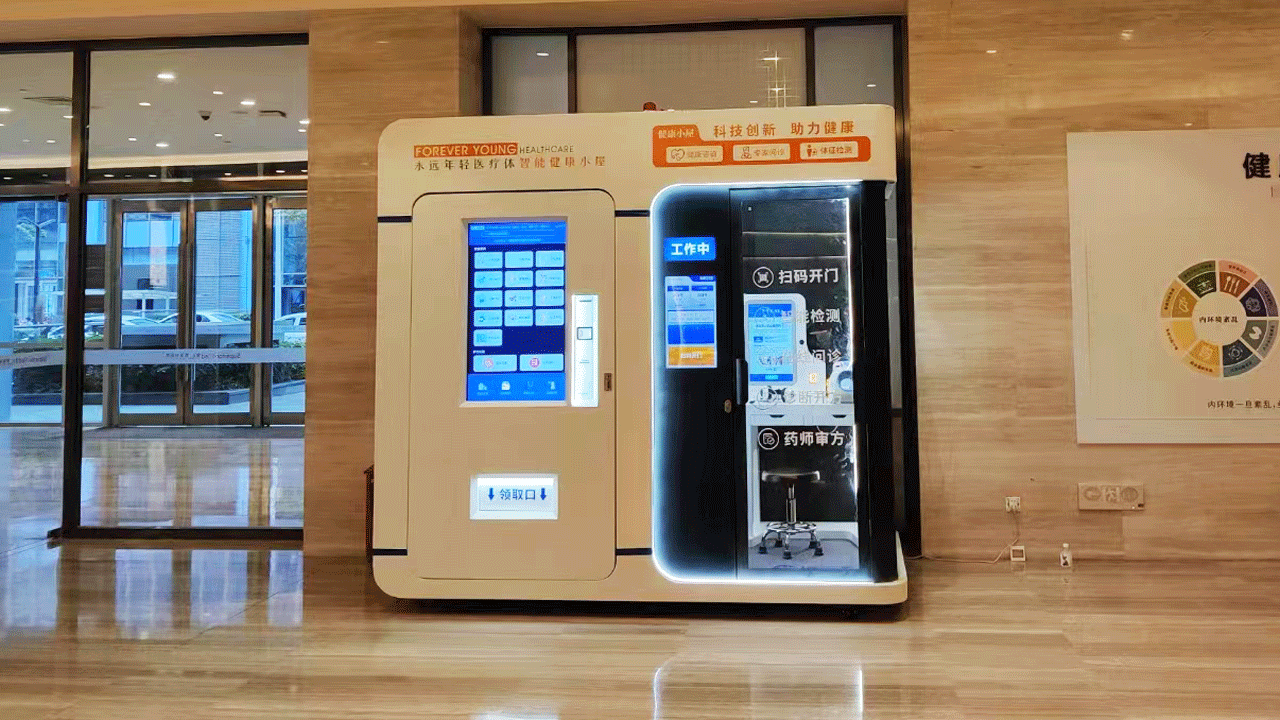
How to Plan a Smart City Health Screening Project
Step 1: Define the Service Objective
Decide whether the project is intended to support routine health measurements, community wellness, employee screening, or another specific service. The objective determines which measurement modules are needed.
Step 2: Assess Each Location
Evaluate expected users, accessibility, power supply, network coverage, space, lighting, cleaning, and equipment security. A site survey should be completed before confirming the installation.
Step 3: Select a Suitable Configuration
Compare the required measurement functions, interface, data capabilities, and installation requirements. Not every site needs the same configuration, and optional functions should be selected according to actual demand.
Step 4: Establish Data Governance
Before collecting personal health information, define user consent, data access, retention, storage, and sharing policies. If several facilities are connected to a central platform, responsibilities between the equipment provider, operator, and healthcare partner must be clear.
Step 5: Plan Maintenance and Operations
A multi-site project requires a documented maintenance schedule, staff training, technical support arrangements, and a process for reporting faults. Project owners should also plan how equipment will be checked and maintained over time.
Step 6: Start with a Pilot
A pilot can help assess user adoption, measurement workflows, maintenance requirements, and operational costs. Use the results to refine the configuration before expanding to additional sites.
Connecting Health Stations to Smart Healthcare Services
A health station may form part of a broader digital health system when the required hardware, software, and service integrations are available.
Possible functions include health report generation, authorized data access, remote consultation through a connected healthcare service, and integration with a compatible management platform.
These capabilities should be confirmed before procurement. The availability of a health station alone does not guarantee integration with hospital systems or access to remote medical professionals.
For a detailed overview of equipment functions and selection criteria, read the complete guide to multiple functional health check stations.
IMT Health Check Station Solutions
IMT offers multiple functional health check station configurations for projects that require integrated health measurement equipment.
Visit the IMT Multiple Functional Health Check Station product page to review the available product information and discuss deployment requirements.
When contacting the supplier, share the number of locations, target users, required measurements, network environment, data integration needs, and estimated quantity.
Frequently Asked Questions
Where should a smart city health check station be installed?
Potential locations include residential communities, public service centers, healthcare facilities, campuses, and other accessible sites. The final choice should be based on user needs, installation conditions, privacy, and operational support.
Can several stations connect to one management platform?
Some configurations support centralized data or device management. Confirm software compatibility, connectivity, user permissions, and any additional integration costs with the supplier.
How should a city evaluate a pilot project?
Evaluate actual usage, user feedback, equipment availability, maintenance requirements, operating costs, and whether the selected functions meet the original service objectives.
Can health check stations replace community clinics?
No. They can support selected screening activities but do not replace clinical examination, diagnosis, treatment, or emergency services.
Conclusion
Multiple functional health check stations can support smart city health initiatives when they are deployed around clear public service objectives. Careful site selection, suitable equipment, responsible data governance, and sustainable maintenance are essential to long-term operation.
Explore the IMT Multiple Functional Health Check Station to discuss equipment options for your community or smart city project.