
Currently Empty: $0.00

2026-05-19
0 Comments
Introduction
An OTC vending machine business can provide a convenient way to make selected over-the-counter healthcare products available beyond traditional retail hours. For vending operators, pharmacy businesses, distributors, and property owners, these machines may create additional sales opportunities in locations where customers need quick access to everyday healthcare essentials.
However, launching a successful operation involves more than purchasing equipment and filling it with products. Business owners must evaluate local regulations, product eligibility, location demand, inventory management, payment systems, maintenance requirements, and the total cost of operation.
This guide explains how to evaluate an OTC vending machine business, estimate operating costs, assess potential profitability, and plan a deployment that fits your target market.
If you are still comparing equipment types and features, explore our guide to the OTC medication vending machine before making an investment decision.
1. What Is an OTC Vending Machine Business?
An OTC vending machine business uses automated dispensing equipment to sell eligible over-the-counter healthcare products without requiring a traditional staffed checkout for every transaction.
Depending on the machine configuration and local regulations, the product range may include selected non-prescription medicines, first-aid supplies, personal care products, and other everyday health essentials.
Potential business models include:
- Direct operation: Purchase the machines, manage inventory, and earn revenue from product sales.
- Location partnerships: Place machines in suitable venues under a revenue-sharing or rental agreement.
- Equipment distribution: Sell OTC vending machines to pharmacies, retailers, healthcare providers, or local operators.
- Managed vending services: Provide equipment, restocking, monitoring, and maintenance services to business customers.
The right model depends on your available capital, operating experience, target customers, and ability to manage inventory and service requirements.
Before choosing a model, confirm which products may legally be dispensed through unattended equipment in the intended market. Requirements can differ by country, state, product category, and machine configuration.
2. Where Can You Place an OTC Vending Machine?
Location selection is one of the most important factors affecting vending performance. A site with substantial foot traffic may still underperform if visitors have little need for the products being offered.
Hospitals and Healthcare Facilities
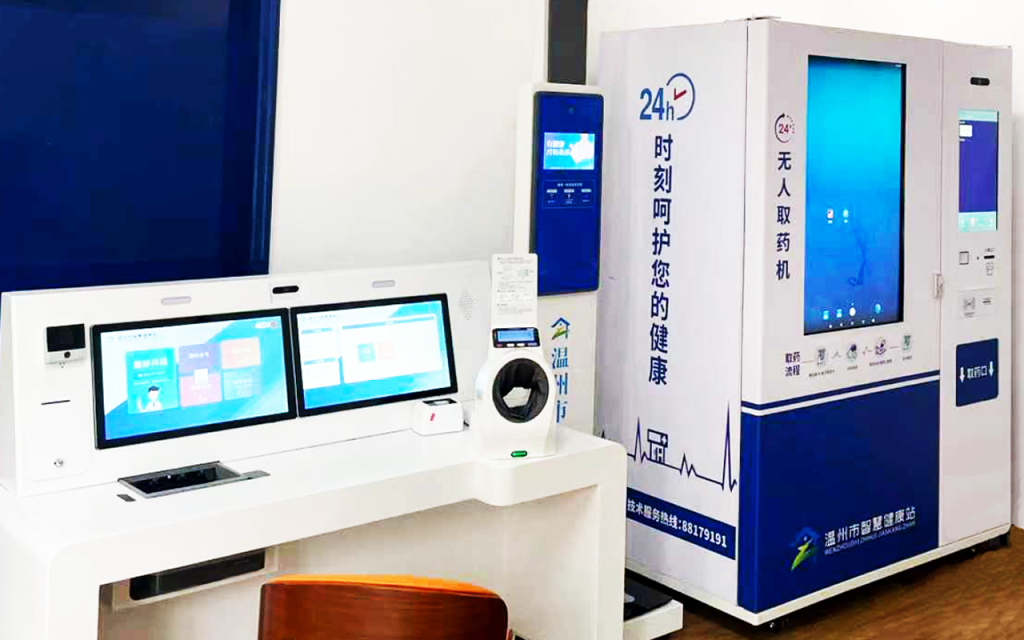
Healthcare facilities may have visitors, patients, and staff who need convenient access to selected personal care and first-aid products. Potential installations must be coordinated with facility management and comply with applicable healthcare, procurement, and vending requirements.
University Campuses
Campus locations may serve students and staff who need everyday health essentials outside the opening hours of nearby shops. Suitable placement areas depend on campus policies, product restrictions, and customer demand.
Hotels and Residential Buildings
Hotels, serviced apartments, and residential complexes may offer opportunities to provide convenient access to selected healthcare essentials. Property managers should evaluate tenant or guest needs, installation permissions, and ongoing servicing arrangements.
Offices and Commercial Buildings
Large offices and commercial facilities may benefit from vending services that make selected personal care and first-aid items available during extended working hours.
Transport and High-Traffic Venues
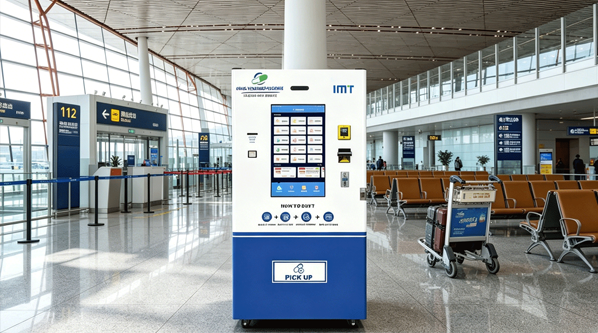
Transport hubs and other high-traffic locations may offer substantial customer exposure, but they can also involve higher site fees, stricter installation requirements, and more complex replenishment logistics.
When evaluating a location, consider foot traffic, customer demographics, competing retailers, opening hours, security, accessibility, electricity and connectivity, and the cost of the placement agreement.
3. How Much Does an OTC Vending Machine Business Cost?
The initial investment varies according to the equipment specification, payment configuration, product range, location, and operating model. There is no single purchase price or startup budget that applies to every project.
A practical budget should include the following categories.
Equipment Purchase
The machine is usually a major startup expense. Compare suppliers based on more than the initial quotation.
Review:
- Product capacity and dispensing configuration
- Compatibility with the intended product packaging
- Payment methods supported in the target market
- Touchscreen and user-interface requirements
- Remote monitoring and inventory-management capabilities
- Security features and access control
- Maintenance access and availability of spare parts
- Customization, branding, and software requirements
Ask manufacturers for a written quotation that specifies the included equipment, optional components, software fees, warranty terms, and shipping arrangements.
Shipping, Installation, and Setup
For imported machines, budget for international freight, insurance, customs duties, taxes, local transportation, and any installation services required. These expenses depend on the destination country and delivery terms.
You may also need to budget for electrical work, network setup, signage, site preparation, and payment-terminal configuration.
Initial Inventory
The cost of initial inventory depends on the number of product selections, purchase quantities, supplier pricing, and the storage requirements of each item.
Start with a focused assortment of products that are permitted for sale and relevant to the expected customers. Expand the assortment only after actual sales data demonstrates demand.
Location and Operating Expenses
Ongoing expenses may include:
- Site rental or revenue-sharing payments
- Inventory replenishment and transportation
- Payment processing fees
- Electricity and internet connectivity
- Routine maintenance and repairs
- Software or remote-monitoring fees
- Insurance and administrative expenses
- Applicable licensing, registration, and compliance costs
A realistic business plan should include both one-time setup costs and recurring monthly expenses.
4. How to Calculate OTC Vending Machine Profitability
Profitability depends on actual sales volume, product margins, location expenses, inventory losses, and operating efficiency. Avoid relying on generic industry revenue claims without evidence from a comparable location.
Use the following calculation framework to evaluate a potential site.
Step 1: Estimate Monthly Sales Revenue
Monthly revenue can be estimated using:
Monthly revenue = Average transactions per day × Average transaction value × Operating days per month
For example, if a machine completes 15 transactions per day, the average transaction value is $8, and it operates for 30 days, the illustrative monthly revenue would be $3,600.
This is a planning example, not a sales forecast. Actual performance may be significantly higher or lower depending on the location and product mix.
Step 2: Calculate Product Costs
Product costs are the purchase costs of the items sold. Include relevant inbound freight and other direct procurement expenses where appropriate.
Gross profit = Monthly sales revenue − Cost of goods sold
Gross profit is not the same as net profit because it does not yet account for location fees, payment processing, labor, maintenance, or other operating expenses.
Step 3: Deduct Monthly Operating Expenses
Calculate all recurring costs associated with running the machine, including rent or revenue share, payment fees, replenishment labor, transport, utilities, software, maintenance, insurance, and other applicable expenses.
Operating profit before tax = Gross profit − Operating expenses
For a more complete financial model, also account for depreciation or equipment financing costs, taxes, startup expenses, and any owner compensation that applies to the business.
Step 4: Estimate the Break-Even Point
The break-even point shows how much contribution the machine needs to generate to cover its fixed operating costs.
Break-even transactions per month = Monthly fixed costs ÷ Contribution per transaction
Contribution per transaction is the average transaction revenue minus the variable costs directly associated with that transaction, including product cost and applicable transaction fees.
For example, if monthly fixed costs are $900 and the average contribution per transaction is $3, the machine would need approximately 300 transactions per month to cover those fixed costs.
This example excludes equipment investment recovery, taxes, and other expenses not included in the assumed fixed-cost figure. Add those items when building a complete investment model.
5. What Factors Have the Biggest Impact on Profitability?
Location Quality
The number of relevant customers passing the machine matters more than foot traffic alone. A location should have a clear reason for customers to purchase the products offered.
Product Selection and Pricing
Choose products based on local demand, applicable regulations, supplier availability, packaging compatibility, and customer purchasing behavior. Review sales data regularly to identify slow-moving products and adjust the assortment.
Inventory and Expiry Management
Healthcare products may have expiry dates, storage instructions, and other handling requirements. Use inventory controls to monitor stock levels, batch information, expiry dates where applicable, and replenishment needs.
Avoid overstocking products with uncertain demand. Inventory losses can reduce profitability even when sales revenue appears strong.
Payment Convenience
Customers may expect contactless cards, mobile wallets, or other locally common payment methods. Confirm that the machine and payment system support the methods required by the target market.
Equipment Reliability
Downtime can interrupt sales and create a poor customer experience. Evaluate the manufacturer’s maintenance guidance, spare-parts availability, technical support, warranty coverage, and remote diagnostic capabilities.
Site Fees and Revenue Sharing
A location agreement can materially affect the financial outcome. Compare fixed rent with revenue-sharing arrangements and clarify who is responsible for electricity, installation, security, and access for restocking.
6. How to Choose an OTC Vending Machine Supplier
Choosing the right equipment supplier is an important step in controlling operational risk and planning for expansion.
Check Product Compatibility
Confirm that the machine can reliably dispense the intended products. Packaging dimensions, product weight, dispensing mechanism, and storage conditions may all influence compatibility.
Compare Technical Specifications
Request the machine’s dimensions, capacity, electrical requirements, payment options, connectivity, monitoring functions, and available customization.
Do not assume every model includes temperature control, age verification, expiry tracking, or a particular payment terminal. Ask the supplier to identify which features are standard, optional, or unavailable.
Review After-Sales Support
Ask about warranty coverage, troubleshooting procedures, spare-parts lead times, software support, and the availability of remote technical assistance.
For international buyers, clarify how support is provided across time zones and which maintenance tasks can be completed by local technicians.
Confirm Documentation and Compliance Requirements
Ask the supplier for relevant technical documents and applicable product certifications. Then verify whether the equipment and proposed dispensing workflow meet the requirements of the installation market.
Equipment certification alone does not establish that every product can legally be sold through an unattended vending machine.
Evaluate the Total Cost of Ownership
Compare the full expected cost of purchasing, shipping, installing, operating, and maintaining the machine over its intended service life.
A lower initial quotation may not represent the best value if the configuration lacks essential functions or requires expensive modifications later.
7. Regulatory and Operational Considerations
OTC vending regulations vary across jurisdictions. Before investing, establish the requirements for both the products and the dispensing process.
Key questions include:
- Which product categories are permitted for unattended vending?
- Are any products subject to age restrictions or additional verification?
- Are specific licenses, permits, registrations, or operator qualifications required?
- What labeling, storage, and consumer-information rules apply?
- Are there restrictions on vending locations or operating hours?
- What records must be retained for inventory, sales, complaints, or product recalls?
- What privacy and payment-security requirements apply to customer data?
Do not assume that products sold legally in a conventional store are automatically permitted in a vending machine.
Create written procedures for replenishment, product inspection, expiry management, refunds, equipment faults, customer complaints, and product recalls. Where necessary, consult the relevant regulator or a qualified local compliance professional before installation.
8. A Practical Launch Plan for an OTC Vending Machine Business
A structured pilot can help validate demand before committing to a large deployment.
Phase 1: Market research
Identify the target customer group, potential locations, competing services, permitted product categories, and local operating requirements.
Phase 2: Financial planning
Estimate equipment and setup costs, expected product margins, monthly operating expenses, sales scenarios, and the break-even point. Build conservative, base, and optimistic scenarios rather than relying on one revenue estimate.
Phase 3: Supplier evaluation
Compare equipment configurations, product compatibility, payment systems, monitoring functions, warranty terms, and after-sales support.
Phase 4: Pilot installation
Start with a suitable location and a controlled product assortment. Confirm that the machine works reliably and that customers can complete purchases without difficulty.
Phase 5: Performance review
Track transactions, average transaction value, gross margin, stockouts, expired or unsold inventory, machine downtime, customer feedback, and maintenance costs.
Phase 6: Optimize and expand
Adjust the assortment, pricing, replenishment frequency, and location strategy based on real operating data. Expand only when the pilot provides sufficient evidence that the business model can be sustained.
9. Why Work with an Experienced Vending Machine Manufacturer?
For distributors, vending operators, and businesses planning multiple installations, the equipment manufacturer’s capabilities can influence deployment flexibility and long-term serviceability.
When evaluating a manufacturer such as IMT, ask for model-specific specifications, product compatibility information, available payment configurations, customization options, technical documentation, warranty details, and support arrangements.
For international projects, also confirm packaging, shipping terms, installation requirements, and the process for obtaining spare parts.
The best configuration is the one that fits the target products, local regulations, operating environment, and service model—not necessarily the machine with the most features.
To compare equipment options and discuss a project, visit our OTC medication vending machine guide or contact the IMT team with your intended market, product range, and installation requirements.
Frequently Asked Questions
Is an OTC vending machine business profitable?
It can be, but profitability depends on location demand, product margins, equipment costs, site fees, replenishment expenses, and regulatory requirements. Calculate the break-even point using realistic local assumptions before investing.
How much money do I need to start an OTC vending machine business?
The required investment depends on the machine configuration, shipping and installation costs, initial inventory, site agreement, payment system, and working capital. Request a detailed equipment quotation and prepare a complete startup budget for your target market.
What products can an OTC vending machine sell?
Potential product categories may include eligible non-prescription medicines, first-aid supplies, and personal care products. The permitted assortment depends on local laws, product-specific restrictions, storage requirements, and machine configuration.
Where should I install an OTC vending machine?
Potential locations include approved healthcare facilities, campuses, hotels, residential buildings, offices, and transport venues. Evaluate relevant customer demand, site costs, security, accessibility, and local vending requirements before choosing a location.
What should I ask an OTC vending machine manufacturer?
Ask about product compatibility, capacity, payment methods, monitoring features, maintenance, warranty, customization, spare parts, documentation, and international shipping. Confirm which functions are included in the quoted configuration.
How can I reduce the risks of launching an OTC vending machine business?
Begin with market and regulatory research, choose a location based on customer demand, use conservative financial assumptions, maintain accurate inventory records, and test the business with a pilot installation before expanding.
Conclusion
An OTC vending machine business requires a balanced approach to location selection, product sourcing, equipment configuration, compliance, and ongoing operations. Strong sales alone do not guarantee profitability; owners must understand product margins, site costs, inventory losses, maintenance, and other recurring expenses.
By validating local requirements, comparing suppliers carefully, and measuring actual performance through a pilot project, operators can make more informed investment decisions and build a scalable vending operation.
Planning an OTC vending project? Contact IMT to discuss your target market, intended product categories, equipment configuration, and customization requirements.