
Currently Empty: $0.00


2026-05-07
0 Comments
As automated retail continues to transform the healthcare access landscape, pharmacy vending machines have emerged as a powerful solution for delivering essential health products 24/7. But one question dominates the minds of entrepreneurs, facility managers, and healthcare administrators: What products can actually be sold in a pharmacy vending machine?
The answer goes far beyond basic pain relievers. From over-the-counter (OTC) medications to first-aid supplies and even advanced health monitoring devices, today’s smart pharmacy vending machines—like those developed by IMT Vending—support a surprisingly wide range of products. However, compliance with local regulations remains critical.
In this comprehensive guide, we break down the most common, profitable, and regulation-friendly product categories for automated pharmacy dispensing.
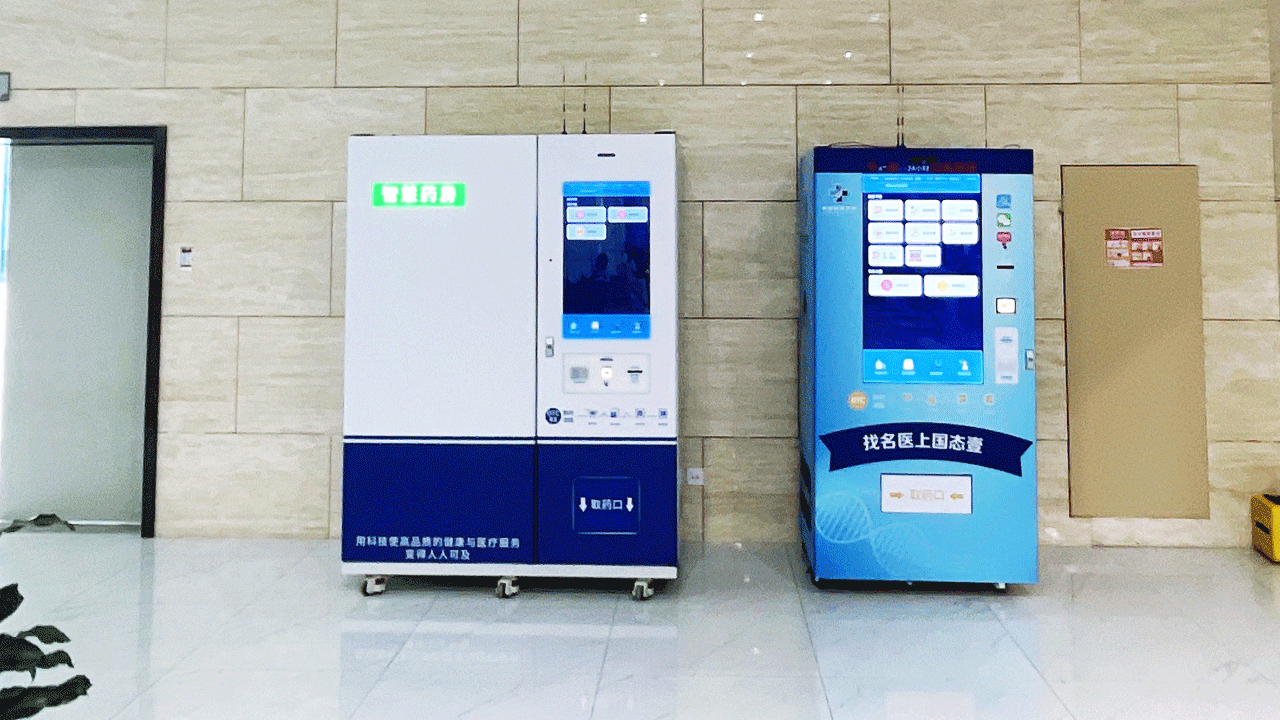
1. Over-the-Counter (OTC) Medications: The Core Category
OTC medications represent the primary revenue driver for most pharmacy vending machines. These are drugs that consumers can purchase without a prescription, making them ideal for self-service retail.
Best-selling OTC categories include:
- Pain relievers – acetaminophen, ibuprofen, aspirin
- Cold & flu remedies – decongestants, cough suppressants, antihistamines
- Digestive health – antacids, anti-diarrheal medications, laxatives
- Allergy relief – cetirizine, loratadine, diphenhydramine
- Sleep aids – melatonin, doxylamine-based products
Regulatory note: In most markets (including the US, EU, and many Asian countries), pharmacy vending machines are restricted to selling Class I or Class II OTC drugs—typically low-risk, non-prescription medications. Always verify local pharmacy board requirements.
2. Class I Medical Devices & First-Aid Supplies
Medical devices with minimal risk are widely permitted in automated pharmacy dispensers. These products address immediate, low-acuity needs and generate consistent foot traffic.
Commonly sold medical devices:
- Bandages & adhesive strips – various sizes and materials
- Gauze & medical tape
- Antiseptic wipes & sprays (alcohol, benzalkonium chloride)
- Thermometers – digital oral, forehead, and infrared
- Blood pressure monitors – compact, battery-operated units
- Pulse oximeters
- First-aid kits – prepackaged for home, car, or travel
These items have long shelf lives and require no special storage conditions, making them low-risk, high-margin additions to any pharmacy vending machine.
3. Personal Care & Hygiene Products
While not strictly “pharmaceutical,” personal care items complement medication sales and increase average transaction value. They also position the machine as a convenience health hub rather than just a medicine dispenser.
Top-performing personal care SKUs:
- Face masks – surgical, KN95, cloth (where regulations permit)
- Hand sanitizers – gel, spray, wipes (alcohol-based)
- Tissues & wet wipes
- Lip balm – medicated and moisturizing
- Sunscreen – travel sizes
- Feminine hygiene products – pads, tampons
- Condoms & personal lubricants (subject to local restrictions)
Many operators bundle these items with medications to capture impulse purchases—especially in transportation hubs, hotels, and university campuses.
4. Vitamins, Supplements & Nutraceuticals
Dietary supplements offer high margins and appeal to health-conscious consumers. However, regulations vary significantly by jurisdiction, so always consult local food and drug authorities.
Popular supplement categories:
- Multivitamins – gender- and age-specific formulations
- Vitamin C, D, and B-complex
- Probiotics
- Electrolyte powders – for hydration and recovery
- Protein supplements – powders, bars, ready-to-drink shakes
- Herbal supplements – echinacea, elderberry, valerian root
To reduce regulatory friction, many operators choose well-known national brands with established safety profiles.
5. Prescription Medications: Limited but Growing
In most public settings, prescription drugs are strictly prohibited from vending machines due to safety, abuse, and liability concerns. However, exceptions exist in controlled environments such as:
- Hospitals & clinics – for inpatient or outpatient take-home medications
- Employer health centers – on-site dispensing for employees
- Closed-loop health systems – with electronic prescription (e-prescribing) integration
These advanced machines use QR code scanning, biometric authentication, or pharmacist video verification to ensure safe dispensing. IMT Vending offers customizable solutions that can be integrated with hospital pharmacy systems for exactly these use cases.
6. Emergency & Travel Health Products
Pharmacy vending machines located in airports, train stations, hotels, and tourist attractions benefit greatly from travel-focused inventories.
Travel health best-sellers:
- Motion sickness tablets – meclizine, dimenhydrinate
- Jet lag remedies – melatonin, light-blocking sleep masks
- Hydration salts & oral rehydration solutions
- Blister bandages & foot care products
- Insect repellent (DEET or picaridin-based)
- Travel-sized first-aid kits
These products address acute needs at the moment of travel, giving consumers little incentive to comparison shop.
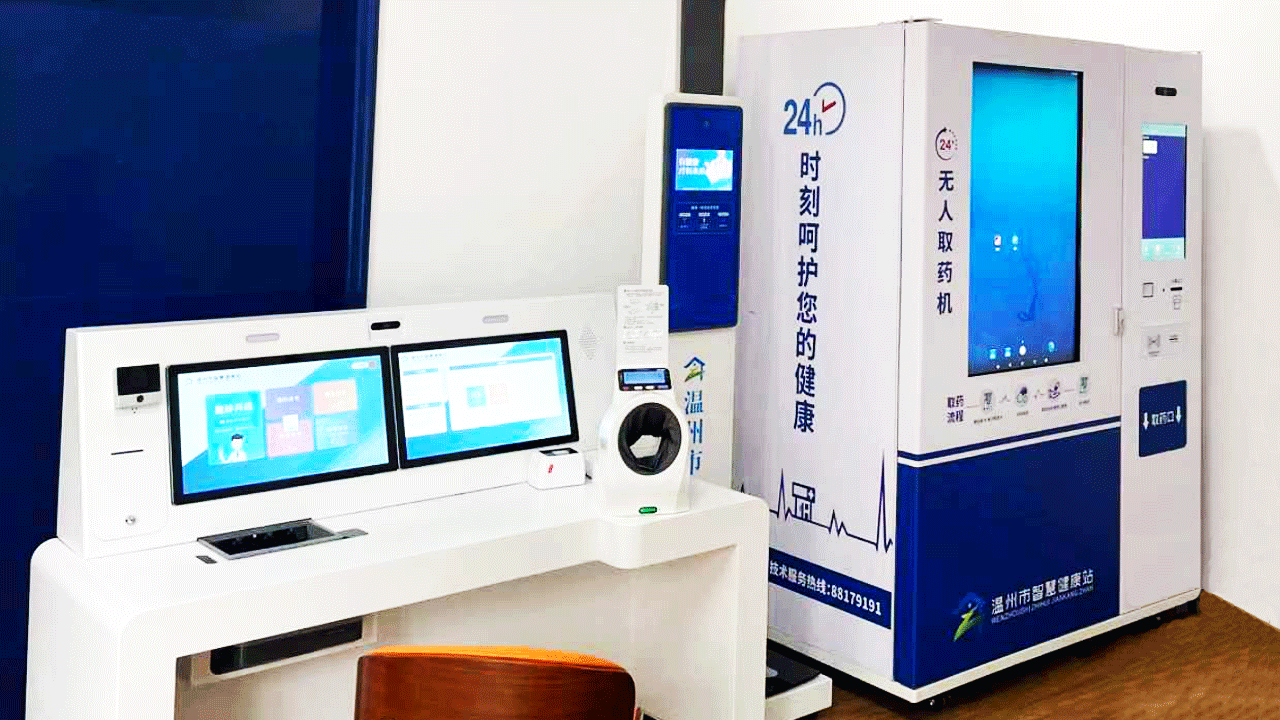
7. Products Typically Prohibited in Pharmacy Vending Machines
To maintain compliance and operator safety, the following items are generally not permitted in public pharmacy vending machines:
- ❌ Prescription-only medications (outside closed hospital systems)
- ❌ Controlled substances (opioids, stimulants, benzodiazepines)
- ❌ Injectables or sterile syringes (except in needle-exchange programs with special authorization)
- ❌ Products requiring cold chain storage (unless machine has validated refrigeration)
- ❌ Expired or recalled medications (automatically blocked by smart inventory systems)
Modern pharmacy vending machines, such as those equipped with IMT’s VendingOS AI platform, can be programmed to automatically lock specific lanes or entire machines if a product is recalled or expired—greatly reducing compliance risk.
How IMT Vending Helps You Choose the Right Product Mix
Selecting the optimal product assortment for a pharmacy vending machine requires balancing consumer demand, regulatory compliance, shelf life, and profitability. IMT Vending supports operators with:
- ODM/OEM customization – configure lane sizes, refrigeration zones, and security levels based on your target products
- VendingOS AI backend – real-time sales analytics to identify top sellers and underperformers
- Remote inventory management – low-stock alerts and automated replenishment suggestions
- Global compliance guidance – our team works with your legal advisors to ensure local regulatory alignment
Whether you’re deploying a single machine in a rural clinic or a fleet of 100+ units across a hospital system, IMT provides end-to-end support—from hardware configuration to software integration.
Final Thoughts: Expand Your Automated Pharmacy Revenue Streams
Pharmacy vending machines are no longer limited to basic pain relievers and bandages. Today’s smart dispensers can sell dozens of product categories—from OTC medications and supplements to personal care items and travel health essentials—while maintaining full regulatory compliance.
The key is choosing a vending partner with proven hardware reliability, intelligent software controls, and customization capabilities. IMT Vending delivers all three.
Ready to Launch or Scale Your Pharmacy Vending Business?
Contact IMT Vending today to discuss your target markets, product plans, and regulatory requirements. Our team will help you design a compliant, profitable, and scalable automated pharmacy solution.